Wired
 View on Discogs
 View on Wikipedia
Album Summary
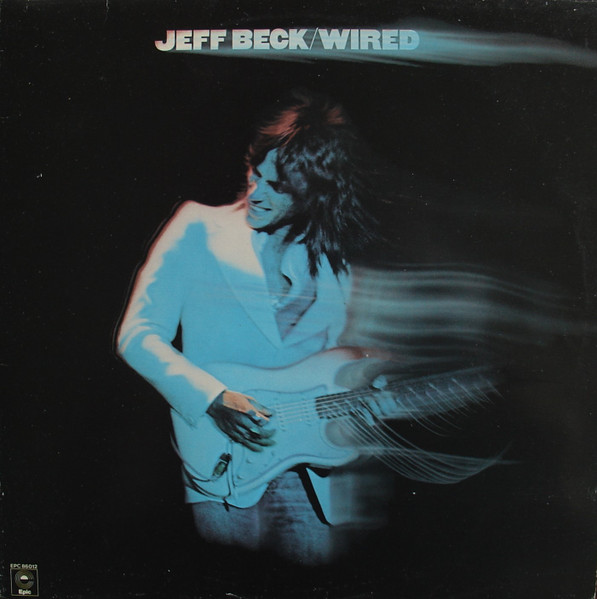
Wired hit the shelves in 1976 on Epic Records, and baby, it was something else entirely. Jeff Beck — already a legend from his Yardbirds days and his hard rock triumphs — stepped boldly into the world of jazz fusion with this gem, recording it with a cast of serious heavyweights. The production throne was shared by Beck himself and none other than George Martin, the man who helped sculpt the sound of the Beatles, bringing his signature orchestral sophistication to Beck's searing, fluid guitar work. With Narada Michael Walden on drums and Jan Hammer — fresh from his Mahavishnu Orchestra fire — contributing keys and compositions, the sessions crackled with the kind of energy that only happens when genuinely great musicians push each other to the edge. The result was an album that arrived right in the sweet spot of fusion's golden era, fearless and fully realized.
Reception
- Wired made a serious statement on the charts, climbing into the top 20 of the Billboard 200 and proving that instrumental fusion could move units alongside any rock or pop record of the day.
- Critics of the era recognized Beck's technical brilliance throughout the album, applauding the fearless interplay between his guitar and the rhythmically complex arrangements, even as some listeners found the jazz-leaning textures a departure from his earlier rock work.
Significance
- Wired stands as one of the defining fusion albums of the 1970s, weaving rock intensity together with jazz complexity in a way that felt urgent and alive rather than academic — a true landmark of the genre.
- The album marked a profound artistic evolution for Beck, moving him beyond his rock guitar hero identity and planting him firmly alongside the era's most serious fusion innovators, drawing natural comparisons to the work of Weather Report and Herbie Hancock.
- The partnership between Beck and George Martin was genuinely unprecedented — bringing classical orchestration instincts into the fusion guitar space — and gave Wired a lush, layered sonic identity that set it apart from anything else on the shelves in 1976.
Samples
- Blue Wind — sampled by various hip-hop and electronic producers drawn to its driving rhythmic intensity, making it the most recognized sampling source from this album.
Tracklist
-
A1 Led Boots 117
 3:59
3:59
-
A2 Come Dancing 96
5:54
-
A3 Goodbye Pork Pie Hat 114
5:26
-
A4 Head For Backstage Pass 129
2:41
-
B1 Blue Wind 185
5:49
-
B2 Sophie 140
6:27
-
B3 Play With Me 91
4:06
-
B4 Love Is Green 103
2:28

Artist Details
Jeff Beck was one of the baddest guitar slingers to ever walk the earth, a British virtuoso who first burst onto the scene out of Surrey, England in the mid-1960s, cutting his teeth with The Yardbirds before launching his own Jeff Beck Group in 1967 and pioneering a raw, explosive blend of blues-rock, jazz fusion, and hard rock that made every other guitarist sit down and take notes. His tone was unlike anything coming out of the speakers in those days — liquid, fierce, and deeply emotional — and his landmark albums like Truth and Blow by Blow proved that the electric guitar was an instrument without limits, earning him a place alongside Clapton and Page in the holy trinity of British rock guitar. Beck's restless genius kept him relevant across decades, constantly reinventing his sound and inspiring generations of musicians who knew that if they wanted to understand what a guitar could truly say, they had to go to school on Jeff Beck.