
Gulliver
 View on Discogs
Album Summary
Gulliver was a short-lived folk-rock outfit born out of the fertile New York music scene in the late 1960s, and their self-titled debut — released in 1970 on Elektra Records — is one of those quiet little treasures that time nearly swallowed whole. The group featured a young Daryl Hall, years before the world would come to know his voice through Hall & Oates, and this record captures him in that raw, searching early chapter of his artistry. Produced in the introspective, acoustic-leaning style that defined the era, the album was laid down during a moment when folk-rock was still finding its soul — when harmonies meant something deep and a well-turned lyric could stop a room cold. It stands as a genuine artifact of that fleeting creative window, pressed into vinyl and left for the faithful to find.
Reception
- The album arrived with little commercial fanfare, failing to make any meaningful impact on the charts and slipping past mainstream audiences almost without a trace.
- Critical attention at the time of release was virtually nonexistent — the band dissolved not long after the record hit shelves, leaving no real promotional engine behind it.
- Decades later, the album found new life through retrospective appreciation, with collectors and devoted music lovers seeking it out as a rare and early document of Daryl Hall's vocal and songwriting gifts.
Significance
- This record stands as a genuine historical document of the New York folk-rock scene at the turn of the 1970s, preserving the sound and spirit of a transitional moment in American music with quiet, unassuming grace.
- Its deepest significance lies in the early showcase it provides of Daryl Hall's extraordinary vocal presence and songwriting instincts — a full glimpse of the talent that would later reshape pop and soul music on a massive scale.
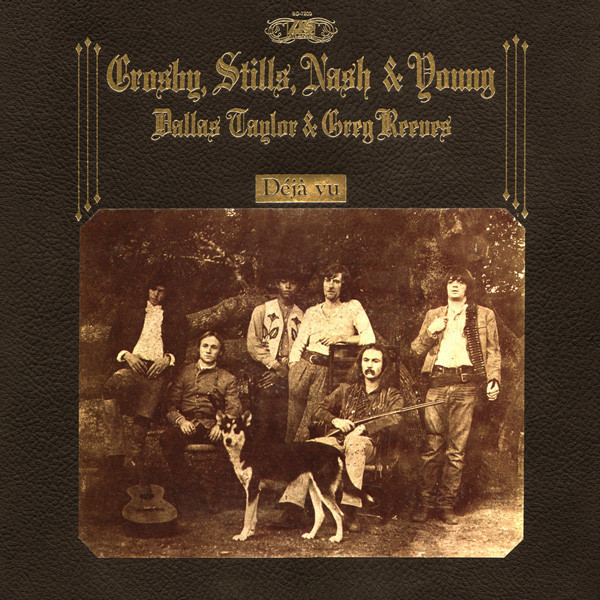
- Gulliver's sound places the album firmly within the harmony-driven, introspective folk-rock movement of its era, drawing natural comparisons to the work of contemporaries like Crosby, Stills & Nash and situating the band as worthy, if overlooked, participants in that artistic conversation.
Tracklist
-
A1 Every Day's A Lovely Day —
 2:45
2:45
-
A2 I'm Really Smokin' —
2:25
-
A3 Christine —
1:45
-
A4 Rose Come Home —
3:35
-
B1 Angelina —
3:10
-
B2 Flogene —
2:20
-
B3 Lemon Road —
3:05
-
B4 Seventy —
3:10
-
B5 A Truly Good Song —
4:25

Artist Details
Gulliver was a soft rock and folk-pop outfit that came together in New York City around 1969, featuring a young Daryl Hall alongside Tim Moore and other talents who were clearly destined for something bigger than the world was ready to receive at the time. The group released one self-titled album on Elektra Records in 1970, a record that floated somewhere between the breezy acoustic warmth of the Laurel Canyon sound and the introspective singer-songwriter vibes coursing through the veins of early seventies pop, and while it never set the charts on fire, it stands today as a fascinating artifact and an early glimpse into the voice that would later electrify the world as one half of Hall and Oates. Gulliver may have been a footnote in the commercial sense, but for those who dig deep into the roots of blue-eyed soul and soft rock history, that record is a quiet treasure worth every spin.