Blind Faith
 View on Discogs
 View on Wikipedia
Album Summary
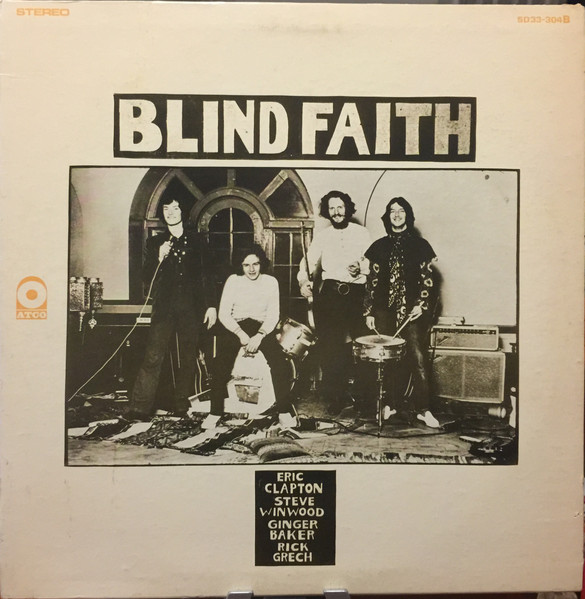
Now this one right here, this is a record that shook the foundations when it dropped on August 20th, 1969. Blind Faith — the self-titled debut and, as fate would have it, the only album from one of rock's most electrifying supergroups — came to life at Atlantic Studios in New York, with the band steering their own ship alongside the masterful Tom Dowd in the producer's chair. Released on Atco Records, the album brought together four titans: Eric Clapton on guitar, the incomparable Steve Winwood handling keyboards and vocals, the thunderous Ginger Baker on drums, and Ric Grech holding it all down on bass. This was the meeting of worlds — Cream had dissolved, Traffic had stepped back, and out of that beautiful wreckage came something that felt like lightning caught in a bottle. The world was watching, and these four souls delivered.
Reception
- The album debuted at number one on the Billboard 200 chart, making it one of the fastest-selling rock records of its era and a testament to the enormous anticipation surrounding the group.
- Critical reception was a complicated affair — while the commercial response was undeniable, some reviewers felt the album didn't fully harness the collective power of its members, leaving a sense of potential just beyond reach.
- The album's original cover art, featuring a young nude girl, ignited significant controversy upon release and was replaced with an alternate design featuring a band photograph for many pressings in the United States.
Significance
- Blind Faith stands as one of the earliest and most defining examples of the supergroup concept, proving that elite musicians from celebrated bands could come together and command the attention of the entire rock world.
- The album wove together rock, blues, soul, and jazz into something that felt both urgent and exploratory, planting seeds that would blossom across progressive rock and jazz-rock movements throughout the 1970s.
- The spiritual depth of tracks like 'Presence Of The Lord' and the raw, aching beauty of 'Can't Find My Way Home' revealed a band reaching for something transcendent, cementing this record as a touchstone of late-1960s blues-rock at its most soulful and searching.
Samples
- Presence Of The Lord — one of Clapton's most enduring compositions from this album, it has carried a notable sampling legacy in soul and hip-hop productions drawn to its devotional weight and guitar tone.
- Can't Find My Way Home — Winwood's haunting acoustic-driven gem has been revisited and sampled across decades, its melancholic warmth making it a beloved source for artists seeking emotional depth.
- Had To Cry Today — the album's opener, with its churning rhythm and raw energy, has found its way into the crates of producers drawn to its gritty blues-rock foundation.
Tracklist
-
A1 Had To Cry Today 160
 8:49
8:49
-
A2 Can't Find My Way Home 89
3:17
-
A3 Well All Right 110
4:28
-
A4 Presence Of The Lord 120
4:50
-
B1 Sea Of Joy 122
5:22
-
B2 Do What You Like 152
15:20

Artist Details
Blind Faith was a supergroup that came together in London in 1969, bringing together some of the heaviest hitters in British rock — Eric Clapton fresh off Cream, Ginger Baker holding down the thunder on drums, Steve Winwood pouring his golden soul into the keys and vocals, and Rick Grech rounding out the low end on bass. Their sound was this gorgeous, sprawling blend of blues, rock, and soul that felt like the whole decade had been building toward it, and their one self-titled album stands as one of those rare records where every note carries the weight of history. They may have burned bright and brief, but Blind Faith cracked open the door to what rock music could be — introspective, ambitious, and deeply, deeply soulful — and their influence echoed through everything that came after them.