Babe Ruth
 View on Discogs
Album Summary
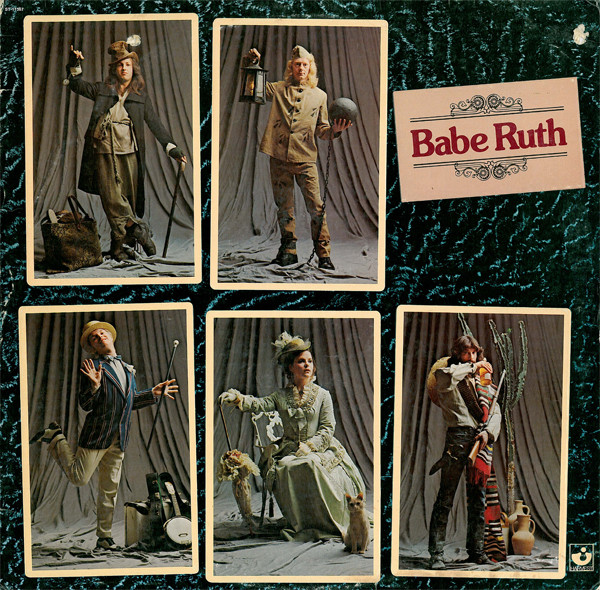
Babe Ruth's self-titled fourth studio album, released in 1975, arrived during a turbulent stretch for the British rock outfit — a time of lineup reshuffling and a genuine search for a new sonic identity. Led by the powerhouse vocals of Jenny Haan and the guitar work and production vision of Alan Shacklock, the band recorded the album and brought it out through Harvest Records in the United Kingdom and Capitol Records across North America. Shacklock held down the creative helm once again, steering the ship toward a more polished and commercially minded sound while still weaving in the funk, soul, and progressive rock threads that had always set Babe Ruth apart from the straight-ahead hard rock pack. It was a band in motion, reaching for something new even as the ground shifted beneath them.
Reception
- The album did not produce a major chart breakthrough for the band in either the UK or North America, a reflection of how tough the mid-1970s marketplace had become for rock acts with progressive and eclectic leanings.
- Critical reception landed somewhere in the middle — certain reviewers recognized and celebrated the band's musical range and versatility, while others felt the album traded some of the raw, adventurous energy that had made earlier Babe Ruth records so compelling.
- The album is widely regarded as a transitional work in the band's catalog, a signpost marking the uncertainty that would soon lead to the group's dissolution not long after its release.
Significance
- This record stands as a genuine artifact of Babe Ruth pushing their boundaries — pulling funk and soul deeper into their hard rock foundation at a moment when that kind of genre blending was reshaping the sound of mid-1970s rock music across the board.
- Jenny Haan's vocal performances throughout this album have long been singled out as some of the most commanding work of her career, further solidifying her place as one of the most distinctive and powerful female voices to come out of the British rock scene in that era.
- As one of the final recordings from this incarnation of Babe Ruth, the album carries a special weight in their discography — a closing statement from a band that spent their entire run earning critical admiration while commercial success remained just out of reach.
Tracklist
-
A1 Dancer 109
 6:01
6:01
-
A2 Somebody's Nobody 121
3:06
-
A3 A Fistful Of Dollars 144
2:40
-
A4 We People Darker Than Blue 121
4:47
-
B1 Jack O'Lantern 173
3:25
-
B2 Private Number 118
3:40
-
B3 Turquoise 82
3:11
-
B4 Sad But Rich 140
3:56
-
B5 The Duchess Of Orleans 113
5:02

Artist Details
Babe Ruth was a British rock band formed in Hatfield, Hertfordshire, England, in 1971, led by vocalist Jenny Haan alongside guitarist Alan Shacklock, who served as the primary songwriter and musical architect of the group. Their sound blended hard rock with progressive rock, jazz, Latin, and funk influences, creating an eclectic and adventurous style that set them apart from many of their contemporaries. They are perhaps best known internationally for their 1972 song The Mexican, which featured a sample-worthy brass riff that would later become one of the most sampled pieces in hip-hop history, appearing in tracks by artists such as A Tribe Called Quest and countless others. Despite achieving moderate commercial success with albums like First Base and Amar Caballero, the band struggled to break through to mainstream stardom and disbanded in 1976, later reforming briefly in the 1990s. Their lasting cultural significance lies largely in The Mexican's profound influence on hip-hop and electronic music, cementing their legacy as an unlikely but important bridge between 1970s British rock and the development of modern urban music.