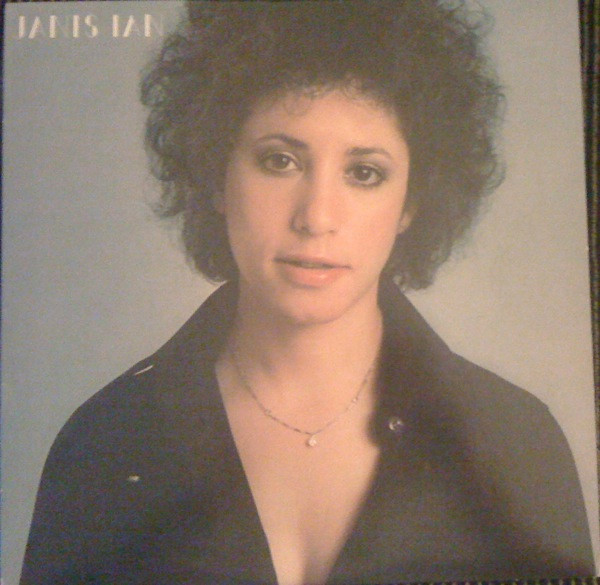
Janis Ian
 View on Discogs
 View on Wikipedia
Album Summary
Janis Ian's self-titled 1978 album arrived on Columbia Records during a pivotal crossroads in her artistic journey — a moment when the woman who had moved a generation to tears with her confessional pen was digging even deeper into the soil of human experience. Recorded as the decade was winding down and the musical landscape was shifting beneath everyone's feet, Ian brought her singular gift for narrative intimacy to a set of songs that bore all the hallmarks of her late-1970s craft: folk-rooted emotional honesty wrapped in the kind of warm, polished studio production that felt right at home on the better FM stations of the era. Ian remained central to the creative vision of the record, channeling that trademark confessional lyricism she had built her reputation on into eleven carefully rendered portraits of longing, solitude, and survival.
Reception
- The album found a loyal but measured commercial audience, falling short of replicating the extraordinary chart momentum of her mid-1970s breakthrough years, a reflection of how profoundly the marketplace had shifted by 1978.
- Critical response acknowledged Ian's unwavering commitment to her craft, with reviewers recognizing the consistency of her songwriting even as some felt the record did not push dramatically beyond the emotional territory she had already staked out so powerfully.
- The album sustained Ian's standing among devotees of the adult contemporary and singer-songwriter world, keeping her name alive on the charts and her music in the hands of listeners who valued substance over spectacle.
Significance
- At a moment when disco was commanding the dancefloors and new wave was rattling the windows, this album stands as a quiet but resolute statement that the singer-songwriter tradition — personal, literary, and uncompromising — still had something vital and necessary to say.
- The record documents the late-1970s evolution of folk-influenced pop toward more refined studio aesthetics, capturing that delicate balance between emotional rawness and professional craft that defined the best work of the era's introspective artists.
- With tracks like 'The Bridge,' 'My Mama's House,' and 'I Need To Live Alone Again,' the album reinforces Ian's stature as one of American popular music's most literate and emotionally courageous voices, an artist whose legacy was never dependent on any single commercial moment.
Tracklist
-
A1 That Grand Illusion 103
 2:48
2:48
-
A2 Some People 141
3:41
-
A3 Tonight Will Last Forever 130
2:27
-
A4 Hotels & One-Night Stands 165
3:30
-
A5 Do You Wanna Dance? 87
5:07
-
A6 Silly Habits 177
3:05
-
B1 The Bridge 138
3:59
-
B2 My Mama's House 139
4:04
-
B3 Streetlife Serenaders 143
4:56
-
B4 I Need To Live Alone Again 105
3:54
-
B5 Hopper Painting 102
4:38

Artist Details
Janis Ian is a singer-songwriter who burst onto the scene as a teenage prodigy out of New Jersey in the mid-1960s, dropping the controversial "Society's Child" at just fifteen years old and daring America to deal with it, before reinventing herself in the early seventies as one of the most raw and emotionally honest voices in folk and soft rock. Her 1975 masterpiece "At Seventeen" — that aching, gorgeous meditation on adolescent longing and the cruelty of social rejection — won her a Grammy and hit the soul of every woman who ever felt left out of the beautiful crowd. Janis Ian stands as a fearless truth-teller in American music, a queer artist who was speaking her truth long before the world had the language to appreciate it, and her legacy runs deep in the veins of every confessional singer-songwriter who came after her.