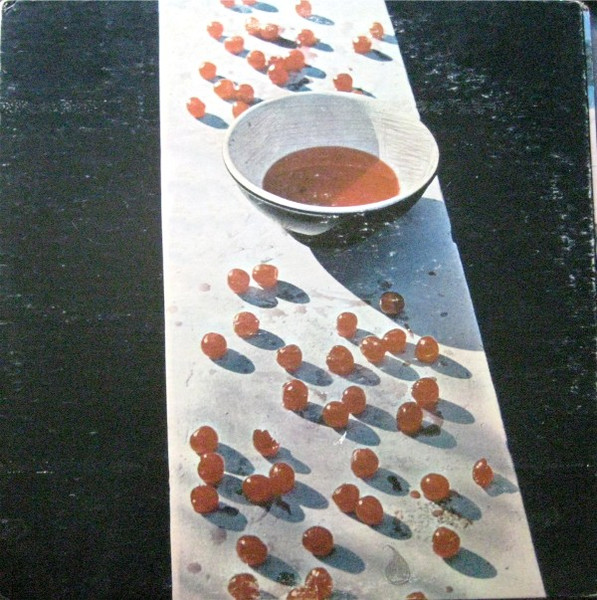
McCartney
 View on Discogs
 View on Wikipedia
Album Summary
Back in the spring of 1970, Paul McCartney stepped out of the long shadow of the greatest band the world had ever known and did something nobody saw coming — he went home, plugged in, and made a record all by himself. Recorded entirely at his home in Sussex between December 1969 and January 1970, McCartney was a one-man operation from the ground up: Paul playing every instrument, singing every note, and producing every last second of it himself. Released on Apple Records on April 10, 1970, the album hit the streets just days before the world got the news that the Beatles were finished. That timing alone makes this record a piece of history, but what lives inside those grooves is something warmer and more personal than any headline could capture — a man finding his own voice, on his own terms, in his own living room.
Reception
- Debuted at number one on the UK Albums Chart and climbed all the way to number one on the US Billboard 200, proving beyond any doubt that the people were hungry for whatever McCartney had to offer as a solo artist.
- Critics were split right down the middle — some heard the lo-fi, homemade charm for exactly what it was, a beautiful and honest piece of work, while others measured it against the towering standard of the Beatles and found it too slight, too simple, too quiet.
- With the passage of time and a good deal of critical reassessment, the album's reputation has grown considerably, now widely recognized as a landmark document of post-Beatles transition and the early 1970s singer-songwriter spirit.
Significance
- McCartney arrived years, even decades, before the world had a name for what it was doing — pioneering a home recording aesthetic and a lo-fi intimacy that would eventually flower into entire movements of bedroom pop and independent recording culture.
- The album announced McCartney's songwriting identity standing fully on its own, rooted in pastoral warmth and quiet introspection, a sound that had nothing to prove to anyone and everything to say about who he was apart from John Lennon and the Beatles machine.
- By bypassing the traditional studio infrastructure entirely and delivering a number one album on sheer heart and craft, McCartney changed the conversation about what a major artist could do and how they could do it, opening a door that generations of independent musicians would walk through after him.
Samples
- Maybe I'm Amazed — one of McCartney's most beloved and enduring compositions, it has been sampled and interpolated across multiple genres over the decades, making it the most referenced track from this album in hip-hop and soul production circles.
Tracklist
-
A1 The Lovely Linda 119

-
A2 That Would Be Something 166
-
A3 Valentine Day 118
-
A4 Every Night 94
-
A5 Hot As Sun / Glasses 193
-
A6 Junk 90
-
A7 Man We Was Lonely 89
-
B1 Ooh You —
-
B2 Momma Miss America 94
-
B3 Teddy Boy 81
-
B4 Singalong Junk 89
-
B5 Maybe I'm Amazed 79
3:52
-
B6 Kreen' Akrore —

Artist Details
Paul McCartney, born in Liverpool, England in 1942, rose to global fame as a founding member of The Beatles before stepping out on his own as a solo artist and launching Wings in the early 1970s, giving the world a sound that blended rock, pop, and pure melodic magic like nobody else on the planet could. This cat has been laying down timeless grooves from the British Invasion all the way through the decade, dropping gems like "Maybe I'm Amazed," "Band on the Run," and "Jet" that remind you why he's one of the most gifted songwriters to ever breathe air. McCartney's cultural footprint runs so deep that it's nearly impossible to imagine the landscape of modern music without him — the man didn't just shape rock and roll, he helped build the very foundation that every artist since has been standing on.