
Silk Purse
 View on Discogs
 View on Wikipedia
Album Summary
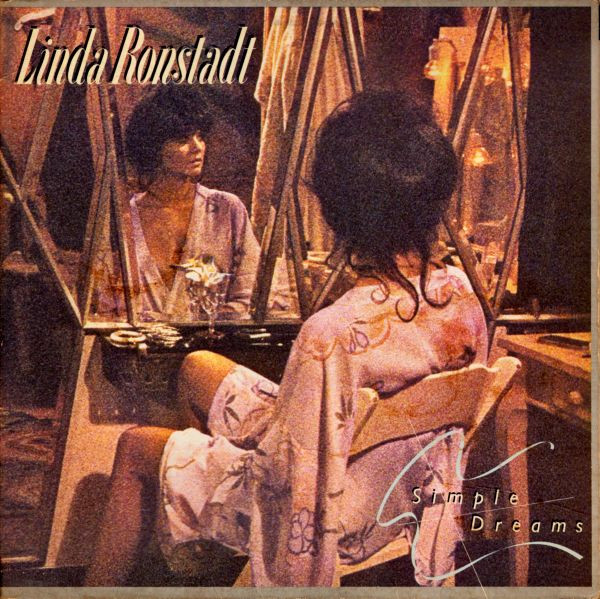
Silk Purse was Linda Ronstadt's third studio album, dropped in January 1970 on Capitol Records — and honey, this was a woman in motion. Produced primarily by John Boylan, these sessions went down in Los Angeles in the closing months of 1969, and what came out of those studios was something special and searching. Ronstadt was stretching herself here, reaching past the folk-rock territory she'd been working with the Stone Poneys and feeling her way toward a richer, more emotionally textured sound that drew from pop and country wells. The record is a showcase of her gift for interpretation — covering material from writers across the spectrum and making every single note her own.
Reception
- The album climbed to #71 on the Billboard 200, a modest showing commercially that didn't quite reflect the artistry being laid down in those grooves.
- Critical reception at the time was a mixed bag — reviewers couldn't deny the sheer power and purity of Ronstadt's voice, but some felt the production and song selection hadn't quite caught up to the talent they were trying to frame.
- The album's quiet commercial performance ultimately pushed Ronstadt and her team to rethink their approach, setting the stage for the creative breakthroughs that would follow later in the decade.
Significance
- Silk Purse stands as a pivotal transitional document in Ronstadt's catalog — a record where she began audibly shedding her folk origins and reaching toward the sweeping, emotionally commanding pop-country sound that would make her one of the defining voices of the 1970s.
- The album demonstrated early and convincingly that Ronstadt was not a songwriter's vessel but a true interpretive artist, capable of finding the emotional core of any song placed in front of her — a quality that would become her greatest professional currency.
- With its blend of country textures and pop sensibilities, Silk Purse helped lay the groundwork for the country-rock crossover movement that would soon reshape American popular music.
Tracklist
-
A1 Lovesick Blues 131
 2:00
2:00
-
A2 Are My Thoughts With You? 123
2:47
-
A3 Will You Love Me Tomorrow? 157
2:20
-
A4 Nobodys —
2:50
-
A5 Louise 118
3:22
-
B1 Long Long Time 91
4:18
-
B2 Mental Revenge 148
2:40
-
B3 I'm Leavin' It All Up To You 118
2:15
-
B4 He Dark The Sun —
2:31
-
B5 Life Is Like A Mountain Railway 121
3:23

Artist Details
Linda Ronstadt is a stone-cold legend, a powerhouse vocalist out of Tucson, Arizona who burst onto the scene in the late 1960s and absolutely owned the 1970s with a sound that could slide effortlessly from country-rock to pop to straight-up blue-eyed soul — the kind of voice that made you pull your car over and just *listen*. She bridged the gap between the Laurel Canyon singer-songwriter scene and mainstream radio gold, racking up hits like You're No Good and Blue Bayou while producing some of the best-selling albums of the entire decade, and in doing so she became one of the first women in rock to truly command the industry on her own terms. Her influence stretches wide and deep, paving the way for a generation of female artists who dared to be both commercially successful and artistically fearless, and her legacy stands as a testament to what happens when raw talent meets absolute determination.