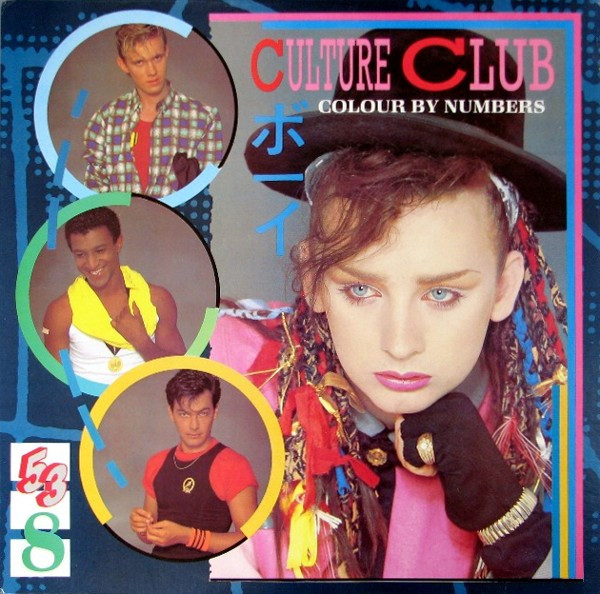
Colour By Numbers
 View on Discogs
 View on Wikipedia
Album Summary
Colour By Numbers came roaring out of London in 1983, released on Virgin Records and produced by the team of Steve Levine — the man who knew exactly how to capture that silky, soulful shimmer in Boy George's voice — along with the steady hand of Arif Mardin lending his legendary touch. It was Culture Club's second studio album, and from the moment they laid down those tracks, something special was brewing. The band — Boy George, Roy Hay, Mikey Craig, and Jon Moss — walked into the studio riding the momentum of their debut and came out with a record that felt like it was born to own the airwaves. This was a group that understood rhythm, understood soul, understood that pop music could carry real emotion without sacrificing a single groove.
Reception
- The album climbed to number 2 on the UK Albums Chart and reached number 16 on the US Billboard 200, confirming Culture Club as a genuine force on both sides of the Atlantic.
- 'Karma Chameleon' became one of the biggest singles of 1983 and 1984, topping charts worldwide and cementing the album's place in pop history.
- Colour By Numbers achieved multi-platinum certification in the UK and earned substantial commercial success across global markets, making it one of the defining commercial triumphs of the new wave era.
Significance
- This album was a masterclass in blending new wave architecture with deep soul and reggae undercurrents — a sound that felt fresh and timeless all at once, sitting at the crossroads of electronic pop and organic groove in a way that few records of the era managed so gracefully.
- Boy George's androgynous presence and the band's fearless approach to identity made Colour By Numbers more than a pop album — it was a cultural statement that challenged rigid notions of gender and self-expression at the height of Reagan-era conservatism, and the mainstream embraced it anyway.
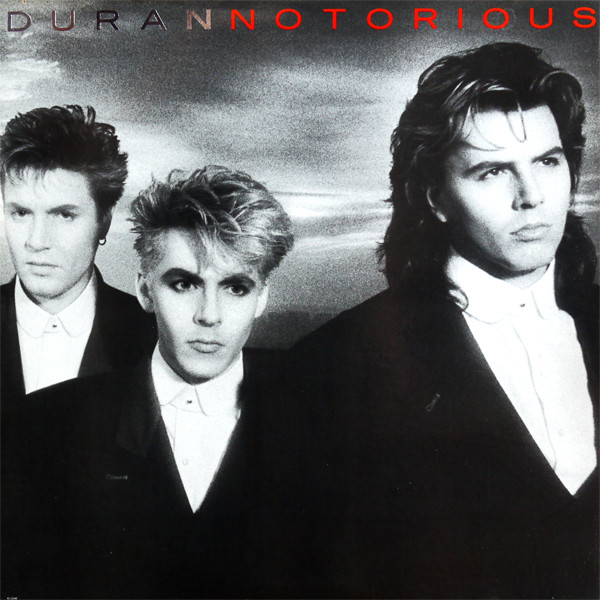
- The record stood as one of the defining dispatches of the British New Wave invasion, arriving alongside contemporaries like Duran Duran and Eurythmics to reshape what American radio sounded like and prove that British pop was not a trend but a tidal wave.
Samples
- Karma Chameleon — one of the most recognizable pop productions of the 1980s, the track has been sampled and interpolated across multiple genres over the decades, with its melody and hook appearing in various hip-hop and pop productions.
Tracklist
-
A1 Karma Chameleon 92
 4:05
4:05
-
A2 It's A Miracle 118
3:23
-
A3 Black Money 82
5:17
-
A4 Changing Every Day 145
3:17
-
A5 That's The Way (I'm Only Trying To Help You) 151
2:41
-
B1 Church Of The Poison Mind 130
3:30
-
B2 Miss Me Blind 123
4:28
-
B3 Mister Man 101
3:34
-
B4 Stormkeeper 109
2:45
-
B5 Victims 126
4:52

Artist Details
Culture Club came gliding onto the scene out of London, England in 1981, led by the one and only Boy George, whose velvet vocals and gender-bending style stopped the whole world in its tracks and made new wave, pop, and blue-eyed soul sound like the sweetest conversation anybody ever had. These cats blended reggae rhythms, soulful melodies, and synth-pop shimmer into something so smooth and irresistible that hits like "Karma Chameleon" and "Do You Really Want to Hurt Me" climbed to the top of the charts on both sides of the Atlantic, making Culture Club one of the defining acts of the MTV era and the Second British Invasion. Beyond the music, Boy George's fearless embrace of androgynous fashion and fluid identity made Culture Club a beacon of individuality and tolerance, opening doors and minds long before the culture at large was ready to have that conversation.