
Sketches Of Brazil - Music Of Villa-Lobos
 View on Discogs
Album Summary
Charlie Byrd, the American guitarist who helped open North American ears to the beauty of bossa nova, brought his deep reverence for Brazilian music into the studio in 1968 to record 'Sketches of Brazil - Music of Villa-Lobos' for Columbia Records. This was no casual session — Byrd had traveled to South America in the early 1960s, and those journeys left a permanent mark on his soul and his strings. The album was a full-hearted tribute to the great Brazilian composer Heitor Villa-Lobos, whose intricate blend of classical structure and Brazilian folk spirit Byrd had long held in the highest regard. Byrd brought his exquisite classical fingerstyle technique to Villa-Lobos's rich harmonic language, with orchestral arrangements wrapping around his acoustic guitar like warm Rio air, giving these compositions the dignity and grandeur they deserved.
Reception
- The album was embraced as a sophisticated and deeply respectful homage to Villa-Lobos, drawing admiration from both jazz and classical audiences who recognized how seriously Byrd had engaged with the composer's original vision.
- Critics of the period singled out Byrd's refined classical technique as uniquely suited to the Villa-Lobos repertoire, setting this record apart from the more commercially driven Latin jazz releases flooding the market at the time.
- The album did not make a major splash on the mainstream charts, but it cemented Byrd's standing as one of the most musically thoughtful and culturally serious guitarists working in the Latin jazz world.
Significance
- This album stands as one of the rare jazz guitar recordings of its era to engage so deeply and extensively with the composed works of Villa-Lobos, building a genuine bridge between the classical Brazilian tradition and the American jazz sensibility.
- Released at a moment when the bossa nova wave had already crested, the record pushed further and deeper — reflecting a late-1960s hunger for real musical cross-pollination between North and South American traditions, rooted in Brazilian art music rather than pop fashion.
- Byrd's interpretations of the Preludes and Etudes helped carry Villa-Lobos's guitar-centric compositions to a wider American audience, nurturing a growing appreciation for Brazilian classical music that went well beyond the dance floor.
Tracklist
-
A1 Prelude #1 —
 4:20
4:20
-
A2 Prelude #2 —
2:54
-
A3 Prelude #3 —
2:40
-
A4 Prelude #4 —
2:49
-
A5 Prelude #5 —
3:00
-
B1 Etude #1 —
2:02
-
B2 Etude #5 —
3:17
-
B3 Etude #7 —
2:38
-
B4 Etude #8 —
2:20
-
B5 Etude #11 —
3:31

Artist Details
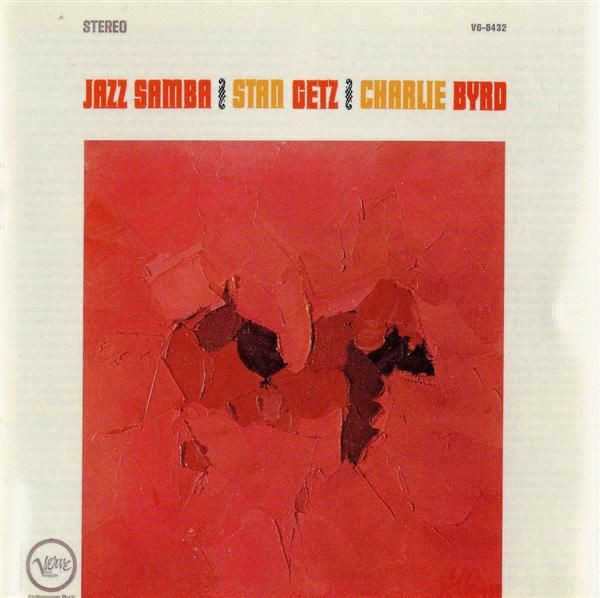
Charlie Byrd was a masterful American jazz guitarist born in Chuckatuck, Virginia, who came up through the postwar jazz scene and made his mark in Washington, D.C., blending the fingerpicking warmth of classical guitar with the cool sophistication of jazz improvisation. He hit the big time when he teamed up with the legendary Stan Getz to record *Jazz Samba* in 1962, a record that lit the fuse on the bossa nova explosion in America and brought that silky Brazilian sound straight into the hearts and living rooms of music lovers across the country. Charlie Byrd was the real deal — a gentle giant of the strings whose work helped forge a bridge between continents and cultures, leaving a groove in music history that still resonates deep and sweet.