Close To The Edge
 View on Discogs
 View on Wikipedia
Album Summary
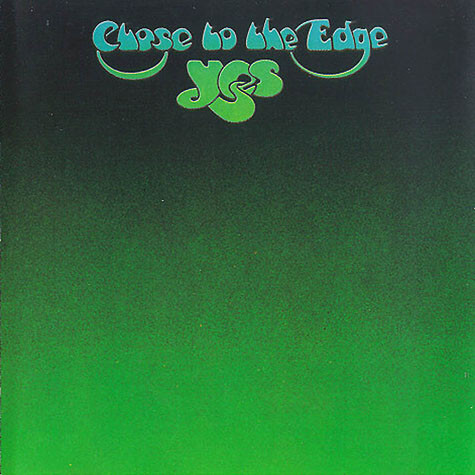
Close to the Edge was laid down at Atlantic Studios in New York and released in September 1972 on Atlantic Records — and baby, when this record dropped, the music world sat straight up and took notice. Produced by the band themselves alongside the gifted engineer Eddie Offord, who had already proven his magic touch on the previous Fragile sessions, this was Yes operating at a level of creative ambition that few artists before or since have dared to reach. The sessions were a deep, laborious labor of love, with the band pouring themselves into overdubbing, synthesizer textures, and compositional structures so complex and so beautiful that they redefined what a rock record could even be.
Reception
- Close to the Edge reached #4 on the UK Albums Chart and #3 on the US Billboard 200, making it the most commercially successful Yes album at the time of its release.
- The album received widespread critical acclaim for its ambitious arrangements and breathtaking technical virtuosity, firmly establishing Yes as the reigning kings of the progressive rock movement.
- The side-long title track was singled out by critics and listeners alike as one of the most celebrated compositions in rock music, praised for its sprawling 18-minute structure and its masterful navigation of complex time signatures.
Significance
- Close to the Edge stands as a towering pinnacle of 1970s progressive rock, weaving intricate instrumental passages and multi-movement architecture together with Rick Wakeman's luminous Mellotron and synthesizer work into something that felt genuinely orchestral and genuinely spiritual all at once.
- The album's fearless exploration of Eastern musical influences and deep philosophical themes spoke to progressive rock's most ambitious artistic vision — the idea that a rock band could reach for something transcendent, something beyond the ordinary, and actually touch it.
- Close to the Edge cemented Yes's reputation for technical excellence and studio craftsmanship in a way that would cast a long shadow over progressive rock, progressive metal, and art rock for decades to come, inspiring generations of musicians to push harder and dream bigger.
Samples
- Siberian Khatru — one of the most recognized progressive rock tracks to appear in sampling contexts, with its distinctive guitar and vocal textures drawing the attention of producers across rock-influenced and experimental music.
Tracklist
-
B2 Siberian Khatru 118
 8:57
8:57

Artist Details
Yes is one of those bands that came straight out of London in 1968 and proceeded to rewrite the rulebook on what rock music could be, blending classical sensibility, jazz complexity, and pure cosmic imagination into a sound so lush and layered it felt like the universe itself was playing guitar. With founding members Jon Anderson and Chris Squire steering the ship, Yes became the undisputed kings of progressive rock, delivering epic masterworks like Fragile and Close to the Edge that proved rock music could be as ambitious and sophisticated as any symphony hall experience. Their influence cut so deep that generations of musicians — from arena rock giants to new age experimenters — still carry the fingerprints of Yes all over their work, cementing their legacy as true architects of the progressive rock movement.