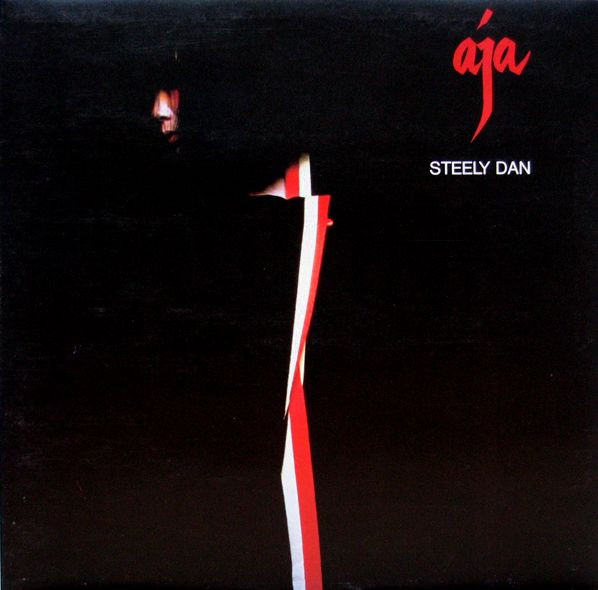
Aja
 View on Discogs
 View on Wikipedia
Album Summary
Aja was laid down throughout 1977 across some of the finest studios in Los Angeles — Village Recorder and Crystal Sound among them — and released on ABC Records on September 23rd of that year. At the helm were Walter Becker and Donald Fagen, the brilliant and famously exacting duo at the heart of Steely Dan, who brought in an absolutely stunning collection of session talent to breathe life into their vision. We're talking about giants — Wayne Shorter on saxophone, Larry Carlton and Lee Ritenour on guitar, Steve Gadd behind the kit — and that's just the beginning. Becker and Fagen were known for pushing everyone in that room to the absolute limit, running take after take, session after session, until every note was exactly where they wanted it. The result was something that didn't just sound like a great album — it sounded like the future.
Reception
- Aja climbed to number 3 on the Billboard 200 and topped the Billboard Pop Albums chart, becoming one of Steely Dan's most commercially successful records and a genuine mainstream breakthrough.
- At the 1978 Grammy Awards, the album took home the Grammy for Album of the Year — a rare and powerful recognition for a rock-oriented act — along with the Grammy for Best Engineered Recording, Non-Classical.
- Critics showered the album with praise for its sophisticated musicianship and breathtaking production, and it has remained a fixture on all-time greatest albums lists, including Rolling Stone's 500 Greatest Albums of All Time.
Significance
- Aja stands as one of the most important documents in the fusion of rock, jazz, and pop, bringing jazz-influenced harmonic sophistication and studio perfectionism into the heart of the mainstream without ever losing its soul.
- The album's immaculate sonic depth and dynamic range made it the reference disc of choice for audiophiles the world over, establishing it as an enduring benchmark in high-fidelity recording and the art of sound engineering.
- Aja helped redefine what a rock record could aspire to be — not just in terms of production, but in its embrace of musical complexity, adult themes, and the idea that popular music could demand something serious from its listeners.
Samples
- Peg — one of the most recognizable and frequently sampled tracks on the album, with its hook and groove appearing across numerous hip-hop productions over the decades.
- Josie — sampled by various hip-hop and R&B artists drawn to its infectious rhythmic drive and clean, punchy low end.
- Black Cow — its distinctive groove and bassline have attracted the attention of hip-hop producers looking for that deep, jazz-laced pocket.
- Deacon Blues — sampled and interpolated by artists across genres who have drawn on its melancholic melodic richness.
- Aja — the title track's percussion and instrumental passages, particularly Steve Gadd's legendary drum work, have been a source of inspiration and direct sampling in hip-hop production.
Tracklist
-
A1 Black Cow —
 5:07
5:07
-
A2 Aja —
7:56
-
A3 Deacon Blues —
7:26
-
B1 Peg —
3:58
-
B2 Home At Last —
5:31
-
B3 I Got The News —
5:03
-
B4 Josie 123
4:30

Artist Details
Steely Dan is the brainchild of the two cats who started it all — Walter Becker and Donald Fagen — who came together in New York in the early 1970s and proceeded to cook up one of the most sophisticated, jazz-tinged rock sounds anybody had ever heard, blending studio perfection with cryptic, cynical lyrics that made you feel like you were in on some private joke about the absurdity of American life. From Reelin' in the Years to Aja, these gentlemen turned the recording studio itself into an instrument, setting a standard for musical craftsmanship that left the whole industry shaking its head in admiration. Their influence runs so deep that decades after their heyday, producers and musicians are still chasing that Steely Dan sound — that gorgeous, elusive blend of cool detachment and deeply felt groove that nobody else has ever quite managed to capture.