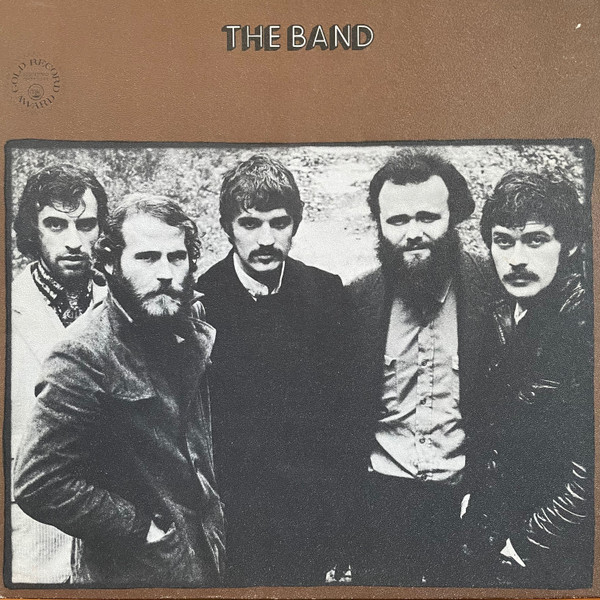
The Band
 View on Discogs
 View on Wikipedia
Album Summary
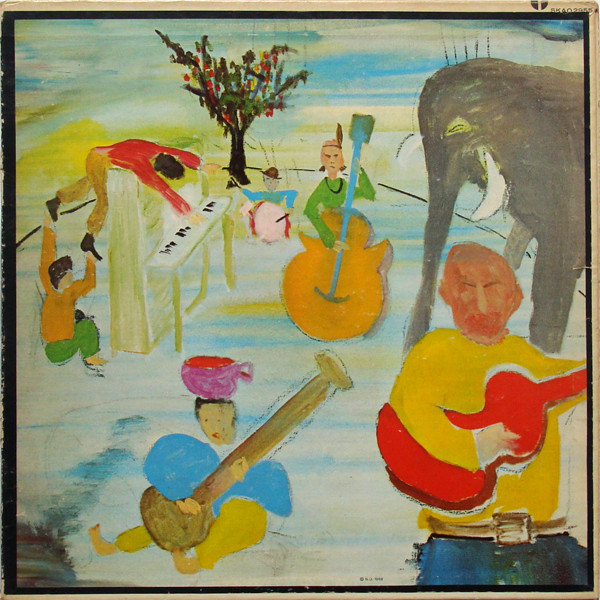
The Band's self-titled second album — though it carries the weight of a true statement of purpose — came into the world in September 1969, released on Capitol Records and produced with deep care by John Simon. Recorded across sessions in Woodstock, New York, this record found five men reaching back into the soil of American music and pulling something timeless back up into the light. Robbie Robertson, Levon Helm, Richard Manuel, Garth Hudson, and Rick Danko weren't chasing trends — they were listening to the land itself. John Simon's production gave the album a warmth and an earthiness that felt lived-in, like it had always existed somewhere out there in the American grain, just waiting for somebody to find it.
Reception
- The album climbed to #9 on the Billboard 200, proving that the record-buying public was hungry for something real amid the swirling chaos of late-1960s rock.
- Critics received it with widespread and genuine reverence, recognizing its deeply authentic approach to American roots music as something that stood apart from nearly everything else being made at the time.
- Decades on, the album has been enshrined among the greatest rock records ever committed to tape, appearing on best-of lists that span generations of critical thought.
Significance
- At a moment when rock music was dressing itself in psychedelic excess, The Band planted a flag for roots music — drawing from country, folk, gospel, and the blues to forge what would become the very foundation of the Americana movement.
- The album gave the burgeoning country rock genre both a spine and a soul, legitimizing folk and country influences within rock in a way that opened doors for countless artists who followed in their footsteps.
- The record's seismic cultural impact sparked a broader return to roots-based music across rock in the early 1970s, quietly reshaping what an entire generation of musicians believed a rock and roll album could — and should — sound like.
Samples
- The Night They Drove Old Dixie Down — one of the most enduring and referenced tracks in American rock, its melody and themes have been widely interpolated and cited across popular music and film.
- Up On Cripple Creek — sampled and referenced across various recordings, its rolling groove and storytelling charm have made it one of the more revisited tracks from this album in hip-hop and beyond.
Tracklist
-
A1 Across The Great Divide 112
 2:52
2:52
-
A2 Rag Mama Rag 91
3:02
-
A3 The Night They Drove Old Dixie Down 129
3:30
-
A4 When You Awake 152
3:10
-
A5 Up On Cripple Creek 144
4:29
-
A6 Whispering Pines 70
3:55
-
B1 Jemima Surrender 112
3:30
-
B2 Rockin' Chair 113
3:40
-
B3 Look Out Cleveland 160
3:07
-
B4 Jawbone 85
4:17
-
B5 The Unfaithful Servant 98
4:15
-
B6 King Harvest (Has Surely Come) 100
3:35

Artist Details
The Band was a legendary rock and soul outfit that came together in the early 1960s, first backing rockabilly wild man Ronnie Hawkins before striking out on their own, blending a roots-soaked sound that pulled from country, blues, gospel, and rock and roll in a way that felt like it had been aged in a Tennessee barn for a hundred years. These five cats — Robbie Robertson, Levon Helm, Richard Manuel, Garth Hudson, and Rick Danko — hailing from both Canada and Arkansas, helped define the Americana sound before anyone even knew to call it that, most famously backing Bob Dylan on his controversial electric tour and then laying down one of the greatest debut records in rock history with Music from Big Pink in 1968. Their farewell concert in 1976, immortalized by Martin Scorsese in The Last Waltz, stands as one of the most celebrated moments in rock history, cementing The Band's place not just in the music, but in the very soul of American culture.