La Planète Sauvage Original Soundtrack
 View on Discogs
Album Summary
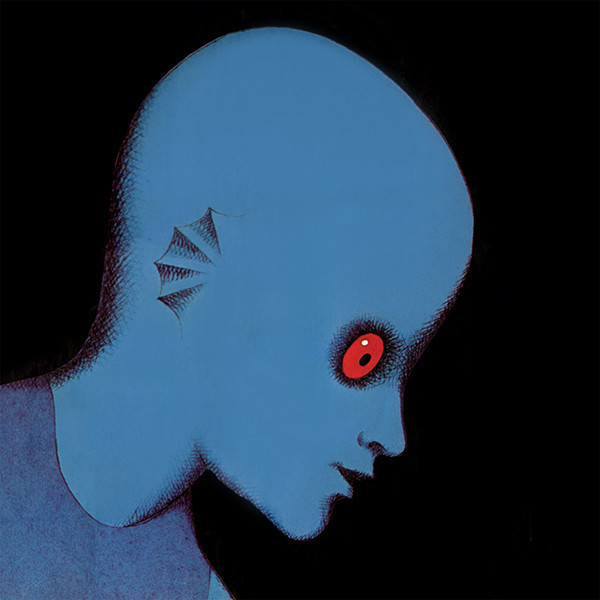
La Planète Sauvage Original Soundtrack is the work of the brilliant Alain Goraguer, a man who had already proven his genius arranging for Serge Gainsbourg before he stepped into the cosmos for this one. Released in 1973 on the Philips label, this score was composed to accompany René Laloux's visionary animated science fiction film of the same name — a picture that shook the walls of the Cannes Film Festival and left audiences somewhere between awestruck and beautifully unsettled. Goraguer crafted a sonic universe that married lush orchestral arrangements with forward-thinking electronic textures, building a soundscape as alien and alive as the hand-painted rotoscope world flickering on the screen. This was not background music — this was another dimension altogether, pressed into vinyl and set loose on the world.
Reception
- Upon its 1973 release, the soundtrack was embraced by avant-garde and experimental music circles, earning deep respect from listeners who understood that something genuinely new had arrived.
- In the decades that followed, the album underwent a powerful critical re-evaluation, ascending to cult status among collectors devoted to vintage electronic music, library records, and rare groove discovery.
- The record became a cornerstone of serious crate-digging culture, steadily growing in both critical stature and monetary value as its influence spread across generations of producers and film music scholars.
Significance
- Stands as a landmark achievement in the fusion of orchestral composition and early electronic instrumentation, placing Goraguer among the most visionary film scorers of the entire 1970s European avant-garde movement.
- Demonstrates with breathtaking authority how synthetic and organic sounds could be woven together to serve a science fiction narrative, helping to define the sonic language of experimental European cinema for years to come.
- Occupies a singular place at the crossroads of psychedelic music, progressive composition, and speculative fiction aesthetics — a record that sounds like it was made on another planet, because in every way that matters, it was.
Samples
- Générique — the opening theme has been sampled across hip-hop and electronic production, prized for its hypnotic melodic atmosphere and regarded as one of the most recognizable cues in all of rare groove film music.
- La Femme — sampled by producers drawn to its haunting, suspended quality, appearing in hip-hop contexts where mood and cinematic weight were essential.
- Ten Et Tiwa — lifted by beat-makers for its lush, dreamlike texture, a favorite among those mining the deep catalog of 1970s European soundtrack composition.
- Abite — sampled for its percussive and atmospheric intensity, a track that has found a second life in the hands of hip-hop and electronic music producers seeking something otherworldly.
- La Longue Marche - Valse Des Statues — drawn upon by producers for its dramatic orchestral sweep, one of the more adventurous picks from this album's rich sampling legacy.
Tracklist
-
A1 Déshominisation (II) —
 0:55
0:55
-
A2 Déshominisation (I) —
3:49
-
A3 Générique —
0:43
-
A4 Le Bracelet —
1:26
-
A5 Ten Et Tiwa —
1:46
-
A6 Maquillage De Tiwa —
0:48
-
A7 Course De Ten —
0:53
-
A8 Ten Et Medor —
1:46
-
A9 Ten Et Tiwa Dorment —
0:48
-
A10 Ten Est Assome —
0:45
-
A11 Abite —
0:53
-
A12 Conseil Des Draags —
0:56
-
A13 Les Hommes - La Grande Co-Existence —
1:15
-
B1 La Femme —
2:11
-
B2 Mira Et Ten —
0:43
-
B3 Mort De Draag —
0:51
-
B4 L'Oiseau —
2:28
-
B5 La Cité Des Hommes Libres —
0:48
-
B6 Attaque Des Robots —
2:05
-
B7 La Longue Marche - Valse Des Statues —
2:15
-
B8 Les Fusées —
2:19
-
B9 Générique —
2:06
-
B10 Strip Tease —
2:23
-
B11 Méditation Des Enfants —
1:32
-
B12 La Vieille Meurt —
0:50

Artist Details
Alain Goraguer is a brilliantly gifted French composer and arranger who came up through the Paris jazz scene in the 1950s and went on to become one of the most versatile musical minds France ever produced, crafting lush arrangements for Serge Gainsbourg in his early years before unleashing his cosmic masterpiece La Planète Sauvage in 1973, a psychedelic jazz-orchestral soundtrack that became a holy grail for crate diggers and sample hunters worldwide. That soundtrack, composed for René Laloux's animated sci-fi film, blended swirling strings, funky rhythms, and otherworldly textures in a way that felt like nothing else on Earth, cementing Goraguer's reputation as a visionary who could move effortlessly between pop, jazz, and avant-garde orchestration. His work stands as a cornerstone of the French library music and cinematic jazz traditions, and the rediscovery of La Planète Sauvage by hip-hop producers and electronic artists in the 1990s and beyond proved that his genius was truly timeless.