
Free As The Wind
 View on Discogs
Album Summary
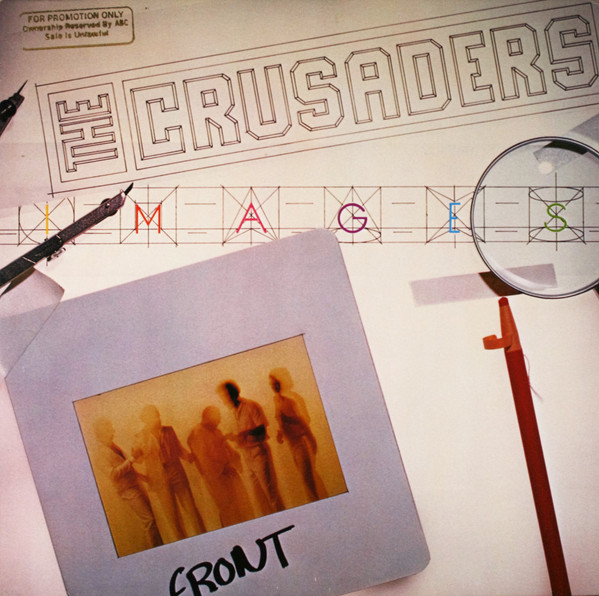
The Crusaders — that legendary Los Angeles jazz-funk collective built around the irreplaceable chemistry of Joe Sample, Wilton Felder, Stix Hooper, and Wayne Henderson — came into 1977 riding a creative wave that wouldn't quit, and 'Free As The Wind' was the beautiful proof. Released on Blue Thumb Records through ABC Records, the album was produced by the band themselves alongside Stewart Levine, their longtime creative partner who understood exactly how to frame their sound without ever getting in the way of it. Recorded with that signature West Coast warmth, the sessions brought together an ensemble of some of the finest studio musicians breathing at the time, and the result was a record that felt simultaneously tight and free — disciplined jazz architecture draped in the silkiest funk and soul the era had to offer.
Reception
- The album performed respectably on the charts, finding a strong audience among the jazz and R&B communities who had come to trust The Crusaders as reliable architects of sophisticated, groove-forward music.
- Critics of the period recognized the album as a confident, mature statement from a band that had fully mastered the art of bridging jazz credibility with popular accessibility.
- The title track drew particular attention as a showcase piece, demonstrating the ensemble's ability to build expansive, emotionally resonant instrumental landscapes without ever losing the feel of a live room.
Significance
- 'Free As The Wind' stands as a defining artifact of the jazz-funk movement of the late 1970s, a moment when instrumental soul music was still commanding serious real estate on record store shelves and in the hearts of listeners who wanted their groove to come with some substance.
- The album reinforced The Crusaders' singular position in American music — a band that never fully belonged to jazz, never fully belonged to R&B, and yet spoke fluently and soulfully in both languages, making 'Free As The Wind' essential listening for anyone tracing the evolution of funk and fusion.
- Tracks like 'Nite Crawler' and 'River Rat' exemplify the band's genius for writing instrumental music with genuine narrative tension and emotional arc, a craft that influenced a generation of musicians working at the intersection of jazz and contemporary black music.
Samples
- "Free As The Wind" — the title track has been drawn upon by hip-hop and soul producers seeking lush, orchestrated jazz-funk textures, carrying the album's spirit into later decades of sample-based music.
- "Nite Crawler" — one of the grittier, more rhythmically charged cuts on the album, it has attracted producers in search of deep funk grooves with a jazz edge.
- "Feel It" — the propulsive feel and layered instrumentation of this track made it a target for hip-hop producers mining late-70s jazz-funk for raw material.
Tracklist
-
A1 Free As The Wind 135
 6:17
6:17
-
A2 I Felt The Love 107
5:10
-
A3 The Way We Was 169
5:24
-
A4 Nite Crawler 111
4:45
-
B1 Feel It 112
4:15
-
B2 Sweet 'N' Sour 123
8:57
-
B3 River Rat 93
2:29
-
B4 It Happens Everyday 129
5:40

Artist Details
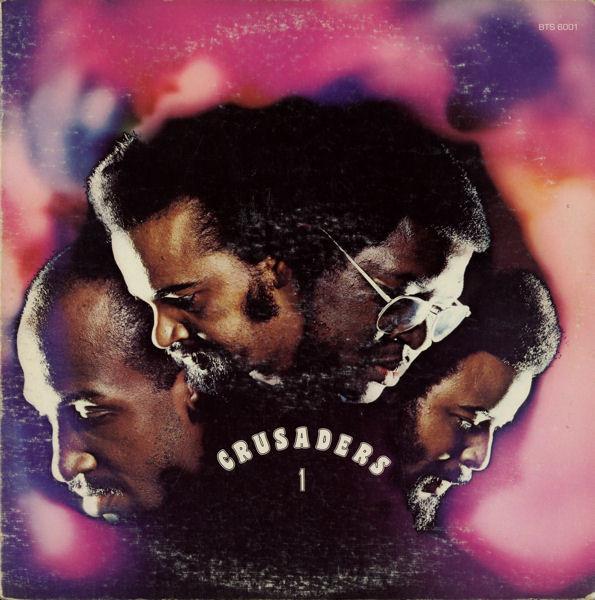
The Crusaders — originally known as the Jazz Crusaders — came together in Houston, Texas in the late 1950s, a band of brothers forged in the church and the streets, blending hard bop jazz with blues, funk, and soul into something so deep and righteous it had no choice but to become its own thing. With cats like Joe Sample on keys, Wilton Felder on saxophone, and Stix Hooper holding down the pocket on drums, they became one of the defining forces in the development of soul-jazz and funk, laying the groundwork for what folks would later call smooth jazz while always keeping that raw, earthy feeling underneath. Their 1979 smash "Street Life," featuring the incomparable Randy Crawford on vocals, brought them to the mainstream masses, but true music lovers knew long before that these cats were the real deal — session players, bandleaders, and sonic architects who shaped the sound of an era.