
Pass The Plate
 View on Discogs
Album Summary
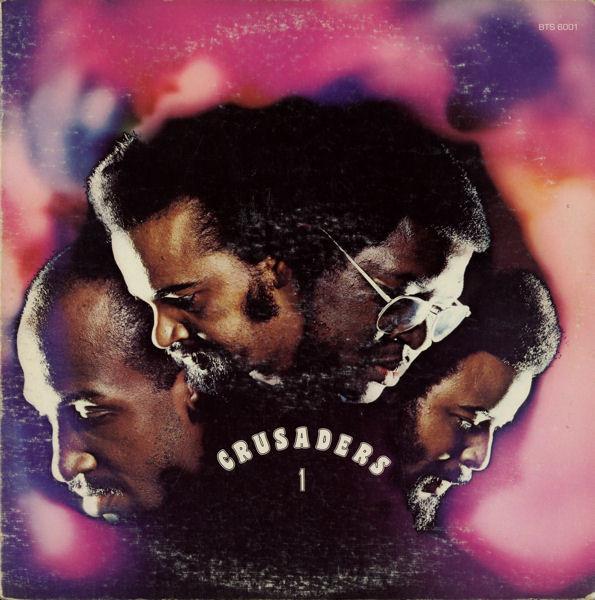
Pass The Plate was released in 1971 on Blue Thumb Records, arriving at a moment when The Crusaders — the Houston-born collective of Joe Sample, Wilton Felder, Stix Hooper, and Wayne Henderson — were deep in their groove, fusing hard bop, blues, and Southern funk into something that defied easy categorization. Produced by the band themselves alongside Stewart Levine, the album captures that raw, uncut energy the group was carrying out of the Texas heat and into the soul-drenched studios of the era, delivering a set of instrumentals and vocal tracks that felt less like a record and more like a late-night church service where the congregation moved their feet.
Reception
- Pass The Plate was embraced by the underground soul and jazz community as an authentic expression of the Crusaders' hard funk direction, earning strong support from DJs and listeners who favored substance over commercial polish.
- The album did not generate significant mainstream chart visibility upon release, but found a loyal and growing audience through word of mouth and the thriving soul radio circuit of the early 1970s.
- Critics who followed the jazz-funk continuum recognized the record as a confident artistic statement, noting the band's refusal to dilute their sound despite the increasingly commercial pressures of the era.
Significance
- Pass The Plate stands as a defining document of the early 1970s jazz-funk movement, showcasing The Crusaders' ability to blur the line between the concert stage and the dance floor without losing an ounce of musical integrity.
- Tracks like 'Treat Me Like Ya Treat Yaself' and 'Goin' Down South' exemplify the band's deep roots in Southern blues and gospel, grounding their forward-looking funk in a tradition that stretched back generations.
- The album reinforced The Crusaders' identity as one of the rare groups operating equally in jazz and soul spaces, helping to lay the cultural and sonic groundwork for the funk and fusion explosion that would define the mid-1970s Black music landscape.
Samples
- Young Rabbits '71 - '72 — one of the most recognizable breakbeats in hip-hop history, sampled extensively across rap and R&B productions throughout the late 1980s and 1990s
Tracklist
-
A2 Young Rabbits '71 - '72 —
 4:50
4:50
-
B1 Listen And You'll See 91
5:27
-
B2 Greasy Spoon 85
4:05
-
B3 Treat Me Like Ya Treat Yaself —
2:37
-
B4 Goin' Down South 147
5:20
-
B5 Love Can't Grow Where The Rain Won't Fall 78
4:04

Artist Details
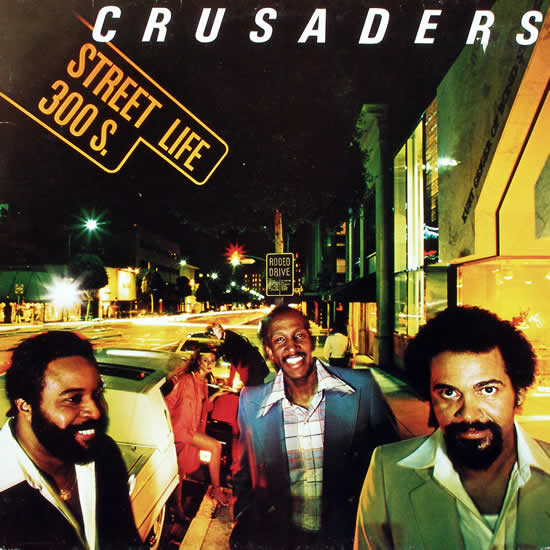
The Crusaders — originally known as the Jazz Crusaders — came together in Houston, Texas in the late 1950s, a band of brothers forged in the church and the streets, blending hard bop jazz with blues, funk, and soul into something so deep and righteous it had no choice but to become its own thing. With cats like Joe Sample on keys, Wilton Felder on saxophone, and Stix Hooper holding down the pocket on drums, they became one of the defining forces in the development of soul-jazz and funk, laying the groundwork for what folks would later call smooth jazz while always keeping that raw, earthy feeling underneath. Their 1979 smash "Street Life," featuring the incomparable Randy Crawford on vocals, brought them to the mainstream masses, but true music lovers knew long before that these cats were the real deal — session players, bandleaders, and sonic architects who shaped the sound of an era.