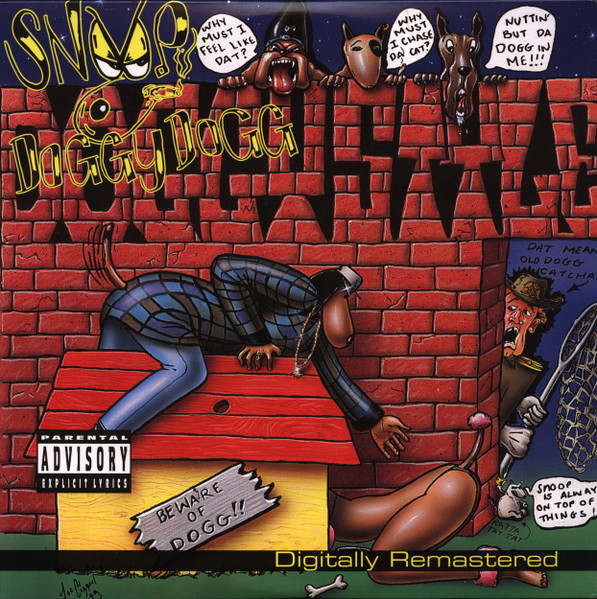
Doggystyle
 View on Discogs
 View on Wikipedia
Album Summary
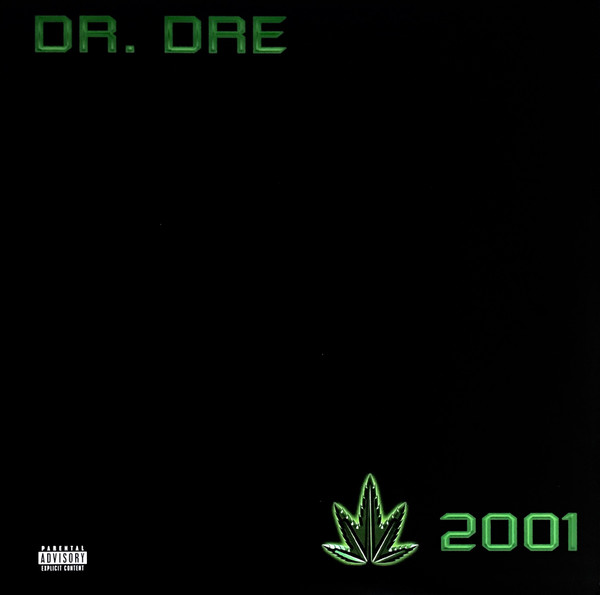
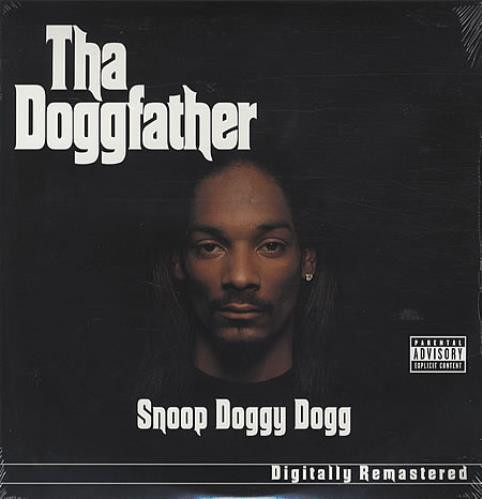
Doggystyle was laid down in the studios of Los Angeles in 1993, a city still buzzing with the aftershock of The Chronic, and released on November 23rd of that same year through the mighty Death Row Records. The mastermind behind the boards was none other than Dr. Dre, who had just shaken the whole industry to its foundation and was now ready to put his young protégé front and center for the world to hear. DJ Pooh and Dat Nigga Daz also contributed to the production, but it was Dre's synthesizer-soaked, bass-heavy G-funk architecture that gave this record its unmistakable soul. And riding on top of all that lush, rolling music was Snoop Dogg — with a drawl so cool, so unhurried, so deeply Californian that it felt like something the West Coast had been waiting its whole life to say out loud.
Reception
- Doggystyle debuted at number 1 on the Billboard 200, making Snoop Dogg the first solo artist to enter the chart at the very top with a debut album — a record-breaking arrival that the industry had never seen before.
- The album went on to sell over 10 million copies worldwide, earning diamond certification in the United States and cementing its place among the best-selling rap albums ever pressed to disc.
- Critics embraced it with open arms, praising Dr. Dre's visionary production and Snoop's effortlessly charismatic delivery as a combination that pushed hip-hop into thrilling new commercial and artistic territory.
Significance
- Doggystyle took the G-funk sound that had been simmering on the West Coast and blasted it into the mainstream stratosphere, proving that smooth synthesizers, rolling bass lines, and a laid-back groove could conquer the entire nation.
- Snoop Dogg's unhurried, melodic flow and larger-than-life persona introduced a whole new archetype to hip-hop — one that countless rappers would spend the next three decades trying to replicate.
- The album stands as the crowning commercial and creative achievement of the Death Row Records era, representing the moment when Dr. Dre's production vision reached its fullest and most powerful expression.
Samples
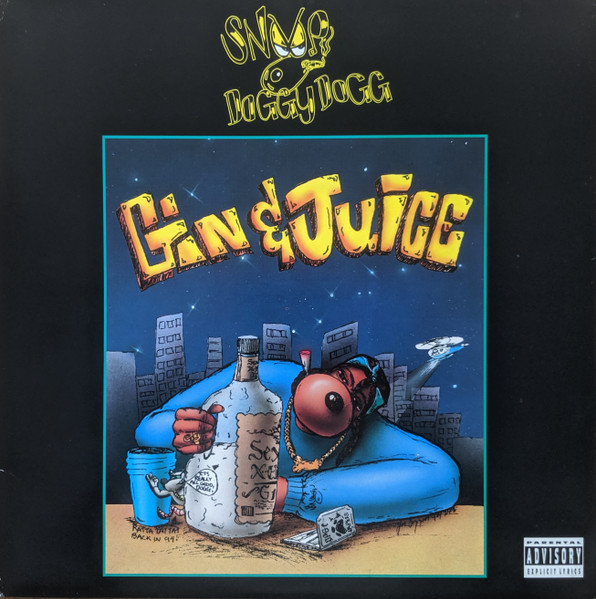
- Gin And Juice — one of the most recognizable tracks in hip-hop history, widely sampled and interpolated across rap, R&B, and pop, with its hook and instrumental bed revisited by countless artists over the decades.
- Who Am I (What's My Name)? — heavily sampled and referenced throughout hip-hop culture, with its infectious G-funk signature making it a perennial source material for producers seeking that quintessential West Coast feel.
- Lodi Dodi — itself a reimagining of the classic Slick Rick and Doug E. Fresh record, this version has gone on to become its own sampling touchstone, passed forward through generations of hip-hop production.
- Murder Was The Case (Death After Visualizing Eternity) — sampled by subsequent artists drawn to its dark, cinematic atmosphere and the dramatic weight it carries as one of the album's most haunting moments.
- Doggy Dogg World — sampled and interpolated by later artists who found its warm, celebratory G-funk groove an irresistible foundation for new recordings.
Tracklist
-
A1 Bathtub 76
 1:50
1:50
-
A2 G Funk Intro 100
2:25
-
A3 Gin And Juice —
3:32
-
A4 Tha Shiznit 96
0:37
-
B5 Lodi Dodi 79
5:05
-
B6 Murder Was The Case (Death After Visualizing Eternity) —
0:44
-
B7 Serial Killa 99
3:52
-
C8 Who Am I (What's My Name)? —
4:06
-
C9 For All My Niggaz & Bitches 87
4:44
-
C10 Aint No Fun (If The Homies Cant Have None) —
4:06
-
D11 Doggy Dogg World 94
5:05
-
D12 Gz And Hustlas 91
3:52
-
D13 Pump Pump 97
3:44

Artist Details
Snoop Dogg, born Calvin Cordozar Broadus Jr. in Long Beach, California, burst onto the scene in 1992 when his smooth, laid-back flow caught the ear of Dr. Dre and landed him on the legendary *The Chronic* album, before he unleashed his own classic debut *Doggystyle* in 1993 — a West Coast gangsta rap masterpiece that put the whole world up on that G-Funk groove. He became one of the most recognizable voices in hip-hop history, with a cool, unhurried delivery that made him as much a cultural icon as a rapper, transcending the genre to become a presence in film, television, and mainstream pop culture for decades. Snoop Dogg's influence on hip-hop is undeniable — he helped define West Coast rap's identity, bridged generations of artists, and proved that a cat from the streets of Long Beach could become one of the most enduring and beloved figures in the history of American music.