
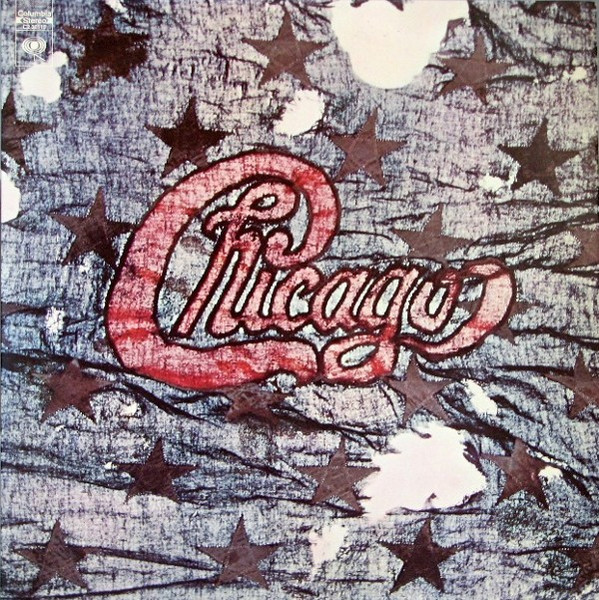
Chicago III
 View on Discogs
 View on Wikipedia
Album Summary
Chicago III came roaring out of the studios in 1971, a sprawling double album that found this magnificent seven-piece outfit stretching out and letting it breathe. Released on Columbia Records and produced by the band alongside their trusted collaborator James William Guercio, this was Chicago digging deeper into their own creative well — bolder, more adventurous, and wholly committed to the idea that rock and roll and brass could coexist not just peacefully, but beautifully. It stands as their third studio offering in an almost impossibly fertile early run, and it carries the weight and ambition of a band that knew exactly who they were.
Reception
- Chicago III ascended to the top of the Billboard 200 chart, a testament to just how deeply this band had connected with the American listening public by 1971.
- The album was certified triple platinum in the United States, proving that a double album built on sophisticated musicianship could still move serious numbers off the shelves and onto turntables across the country.
Significance
- Chicago III stands as one of the most fully realized expressions of the horn-rock genre, demonstrating that brass arrangements could carry the same visceral power and emotional depth as any guitar-driven record of the era.
- The album reinforced Chicago's place at the forefront of the early 1970s progressive rock movement, showcasing a level of compositional sophistication and ensemble interplay that few of their contemporaries could match.
- With tracks like 'Mother' and 'Lowdown' pushing into darker, more experimental territory, Chicago III revealed a band unafraid to challenge their audience — a quality that would define their legacy long after the decade closed.
Tracklist
-
A1 Sing A Mean Tune Kid 95
 9:15
9:15
-
A2 Loneliness Is Just A Word 174
2:35
-
A3 What Else Can I Say 164
3:11
-
A4 I Don't Want Your Money 100
4:48
-
C1 Mother 96
4:28
-
C2 Lowdown 185
3:34

Artist Details
Chicago is an American rock band that formed in Chicago, Illinois, in 1967, originally under the name The Chicago Transit Authority before shortening it to Chicago in 1969. The group pioneered a genre often described as rock and roll with horns, blending the raw energy of rock with the sophistication of jazz and classical influences, featuring a distinctive brass section comprising trumpets, trombones, and saxophones alongside a traditional rock lineup. They became one of the best-selling musical acts of all time, with a string of hit singles and albums throughout the 1970s and 1980s including If You Leave Me Now, Hard to Say I'm Sorry, and 25 or 6 to 4, earning numerous Grammy Awards and selling over 100 million records worldwide. Chicago played a pivotal role in establishing the brass rock subgenre and influenced countless artists by demonstrating that orchestral and jazz instrumentation could thrive in a mainstream rock context. Their longevity, spanning more than five decades of continuous performance and recording, cemented their status as one of the most enduring and commercially successful bands in American music history, leading to their induction into the Rock and Roll Hall of Fame in 2016.