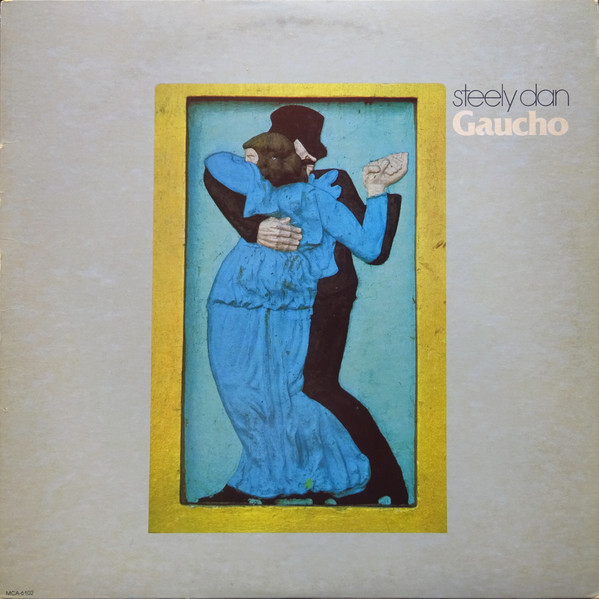
Gaucho
 View on Discogs
 View on Wikipedia
Album Summary
Gaucho was laid down across multiple studio sessions at locations including The Village Recorder in Los Angeles, a process so meticulous it became the stuff of legend in the industry. Released on MCA Records in November 1980 — the label having absorbed ABC Records — and produced by the duo that defined a generation of studio excellence, Donald Fagen and Walter Becker, alongside the masterful engineer Roger Nichols, this record stands as the closing chapter of Steely Dan's classic run. It marked their final studio album together before a long silence that would stretch nearly two decades, making every groove on it feel like a goodbye note written in the most exquisite ink imaginable.
Reception
- Gaucho climbed to number 9 on the Billboard 200 and reached number 2 on the UK Albums Chart, proving that sophistication and commercial appeal could share the same dance floor.
- The album took home the Grammy Award for Best Engineered Recording, Non-Classical, a well-deserved crown for Roger Nichols and a crew that treated every sonic detail like a sacred text.
- Critical reception at the time was a mixed bag — some ears weren't quite ready for music this refined — but history has been exceptionally kind to this record in the years since.
Significance
- Gaucho represents the absolute apex of Steely Dan's jazz-inflected pop vision, where cryptic urban poetry met arrangements so precisely constructed they could make a session musician weep with admiration.
- The album stands as one of the great monuments to studio perfectionism, featuring some of the finest players of the era including drummer Jeff Porcaro and bassist Chuck Rainey, each performance a masterclass in tasteful restraint.
- As the final statement before a near-20-year hiatus, Gaucho carries the weight of an era closing — it captured the last breath of a certain kind of analog craftsmanship before the digital age reshaped everything the recording world had known.
Samples
- Glamour Profession — one of the most sampled tracks from this album, its lush grooves have been lifted and recontextualized across hip-hop and R&B productions over the decades.
- Babylon Sisters — the opening track's silky, rolling rhythm has attracted the attention of producers mining the Gaucho sessions for source material.
Tracklist
-
A1 Babylon Sisters 61
 5:51
5:51
-
A2 Hey Nineteen 117
5:04
-
A3 Glamour Profession 117
7:28
-
B1 Gaucho 123
5:32
-
B2 Time Out Of Mind 123
4:10
-
B3 My Rival 96
4:30
-
B4 Third World Man 108
5:14

Artist Details
Steely Dan is the brainchild of the two cats who started it all — Walter Becker and Donald Fagen — who came together in New York in the early 1970s and proceeded to cook up one of the most sophisticated, jazz-tinged rock sounds anybody had ever heard, blending studio perfection with cryptic, cynical lyrics that made you feel like you were in on some private joke about the absurdity of American life. From Reelin' in the Years to Aja, these gentlemen turned the recording studio itself into an instrument, setting a standard for musical craftsmanship that left the whole industry shaking its head in admiration. Their influence runs so deep that decades after their heyday, producers and musicians are still chasing that Steely Dan sound — that gorgeous, elusive blend of cool detachment and deeply felt groove that nobody else has ever quite managed to capture.