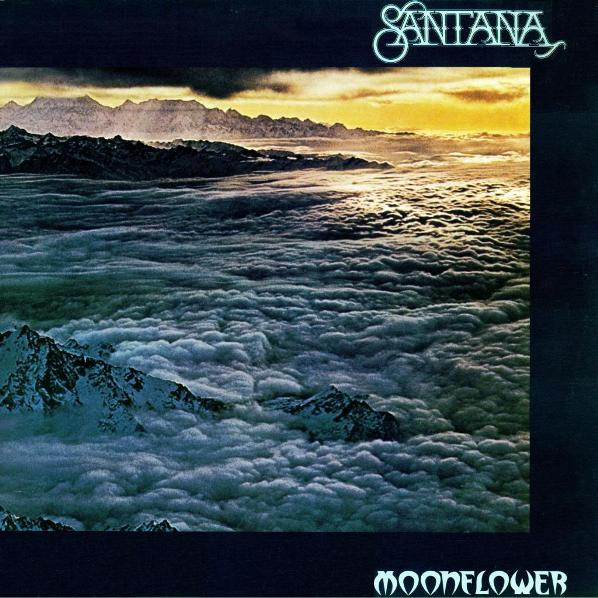
Moonflower
 View on Discogs
 View on Wikipedia
Album Summary
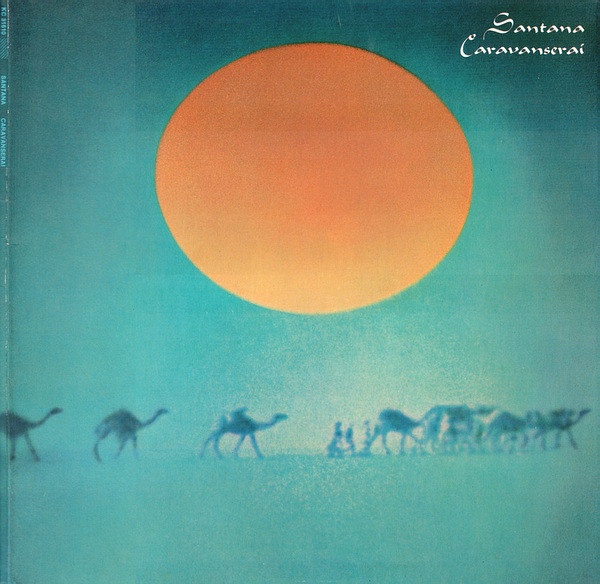
Moonflower came rolling out of Columbia Records in October of 1977, and let me tell you, this one was something special. Recorded throughout that same year with Carlos Santana and the band holding the production reins themselves, this double album captured the group at a moment of real creative confidence — a band that had already changed the face of rock music at Woodstock and spent the better part of a decade refining something that didn't sound quite like anything else on earth. Half live, half studio, Moonflower was a bold statement of artistic range, blending the heat of the concert stage with the precision of the recording booth, and delivering a sound that sat right at the crossroads of Latin percussion, African rhythm, funk groove, and rock electricity. This was Santana not chasing trends, but deepening a tradition they themselves had helped create.
Reception
- Moonflower ascended all the way to No. 1 on the Billboard 200, standing as one of the most commercially triumphant releases in Santana's entire catalog.
- The album's cover of the Zombies' classic 'She's Not There' became a major radio hit, introducing the band to a new generation of listeners while thrilling the faithful.
- The album earned multi-platinum certification in the United States, confirming that Santana's fusion vision had a deep and devoted audience across the world.
Significance
- Moonflower stood as a master class in Latin rock fusion, weaving together African rhythmic traditions, Afro-Cuban percussion, and the kind of searing guitar work that only Carlos Santana could conjure — all of it feeling absolutely organic and alive.
- The double-album format allowed the band to demonstrate the full sweep of their musical personality, from the studio refinement of tracks like 'Europa (Earth's Cry Heaven's Smile)' to the raw, communal fire of live performances like 'Soul Sacrifice,' showing that instrumental virtuosity and popular accessibility were never mutually exclusive in Santana's world.
- Released during a mid-to-late seventies rock landscape crowded with competing sounds and styles, Moonflower affirmed the band's expanded lineup and deepened musical maturity, proving that their mid-decade evolution toward rhythm and groove had only made them more vital, not less.
Tracklist
-
A2 Carnaval 144
 2:17
2:17
-
A3 Let The Children Play 144
2:38
-
A4 Jugando 147
2:04
-
A5 I'll Be Waiting —
5:18
-
A6 Zulu —
3:22
-
B1 Bahia —
1:37
-
B2 Black Magic Woman 123
3:13
-
B3 Gypsy Queen —
3:15
-
B4 Dance Sister Dance (Baila Mi Hermana) 142
7:43
-
B5 Europa (Earth's Cry Heaven's Smile) 74
6:06
-
C1 She's Not There —
4:08
-
C2 Flor D'Luna (Moonflower) —
5:00
-
C3 Soul Sacrifice 136
11:07
-
C4 Head, Hands & Feet (Drum Solo) —
2:36
-
D1 El Morocco —
5:02
-
D2 Transcendance —
5:09
-
D3 Savor 130
6:03
-
D4 Toussaint L'Overture 136
6:53

Artist Details
Santana is a rock band formed in San Francisco, California in 1966, led by Mexican-American guitarist Carlos Santana, who immigrated from Autlán de Navarro, Mexico. The group pioneered a distinctive sound that fused rock, blues, and jazz with Afro-Cuban and Latin rhythms, creating a genre-blending style that set them apart from virtually every other act of their era. Their legendary performance at the 1969 Woodstock Festival introduced them to a massive worldwide audience, and their debut album released that same year became a commercial and critical success. Santana experienced a major commercial resurgence in 1999 with the album Supernatural, which won nine Grammy Awards including Album of the Year and became one of the best-selling albums in history. Culturally, Santana holds profound significance as a symbol of Latin musical influence in mainstream American rock, helping to bridge cultures and pave the way for broader acceptance of Latin artists in the global music industry.