
Iguaçu
 View on Discogs
Album Summary
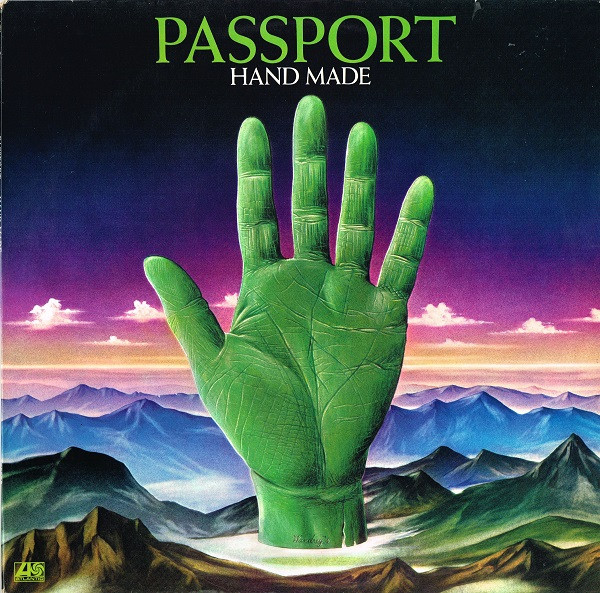
Recorded in 1977 and released on Atlantic Records, Iguaçu finds the German jazz-fusion collective Passport — led by the endlessly inventive saxophonist and multi-instrumentalist Klaus Doldinger — making a deeply felt pilgrimage into the warm, percussive heart of Brazilian music. Produced by Doldinger himself, the album was born out of a genuine love affair with the rhythms and colors of South America, capturing that sun-drenched, samba-kissed spirit with the kind of organic authenticity that only a musician truly listening to the world around him can pull off. Atlantic, always a home for artists who refused to be boxed in, gave Doldinger and his band the room to stretch out and let those Brazilian breezes blow right through the studio.
Reception
- Iguaçu was embraced warmly by the European jazz and fusion community, earning Passport continued respect as one of the continent's most adventurous and culturally curious ensembles of the decade.
- Critics at the time noted the album's seamless blending of European jazz sensibility with authentic Brazilian rhythmic textures, praising Doldinger's melodic generosity and the band's tight-yet-loose ensemble feel.
- While it did not chart prominently in mainstream pop markets, the album deepened Passport's devoted following among fusion listeners who appreciated music that traveled without a tourist's shallow gaze.
Significance
- Iguaçu stands as one of the finest examples of European jazz musicians engaging sincerely and substantively with Brazilian music, helping to bridge the transatlantic conversation between jazz fusion and samba-influenced sounds during the late 1970s.
- The album reinforced Passport's reputation as a globally minded band at a time when jazz fusion was often criticized for leaning too cold and mechanical — Doldinger answered that charge with warmth, melody, and irresistible groove.
- As a document of the late-70s cross-cultural jazz movement, Iguaçu holds a meaningful place in the lineage of world-influenced fusion, sitting comfortably alongside the Brazilian explorations of artists like Flora Purim and Airto Moreira who were lighting up that same beautiful corner of the musical universe.
Samples
- "Bird Of Paradise" — this lush, melodic gem has been noted among diggers and producers for its rich harmonic textures and has been sampled in hip-hop and neo-soul productions seeking that warm, breathy saxophone character.
- "Heavy Weight" — the funkiest entry in the Iguaçu catalog, its driving rhythmic pocket has attracted the attention of beat-makers drawn to its propulsive groove and punchy ensemble interplay.
Tracklist
-
A1 Bahia Do Sol 79
 5:53
5:53
-
A2 Aguamarinha —
4:10
-
A3 Bird Of Paradise 97
5:36
-
A4 Sambukada 136
4:30
-
B1 Iguacu 166
8:42
-
B2 Praia Leme 97
2:58
-
B3 Heavy Weight 132
4:30
-
B4 Guna Guna 132
4:28

Artist Details
Passport is the brainchild of West German saxophonist and composer Klaus Doldinger, a jazz fusion outfit that came together in the early 1970s out of Hamburg, Germany, blending the electric heat of fusion jazz with rock rhythms and a sleek, sophisticated European cool that set them apart from anything coming out of the American scene. Doldinger had already been woodshedding in the jazz world for years before he assembled this group, and when Passport hit the international stage, they brought with them a cinematic, exploratory sound — lush, melodic, yet boldly electric — that earned them serious respect among jazz heads and crossover listeners alike. Their records, particularly throughout the mid-to-late 70s, helped put European jazz fusion on the global map, proving that the continent had its own voice in a genre that America thought it owned outright.