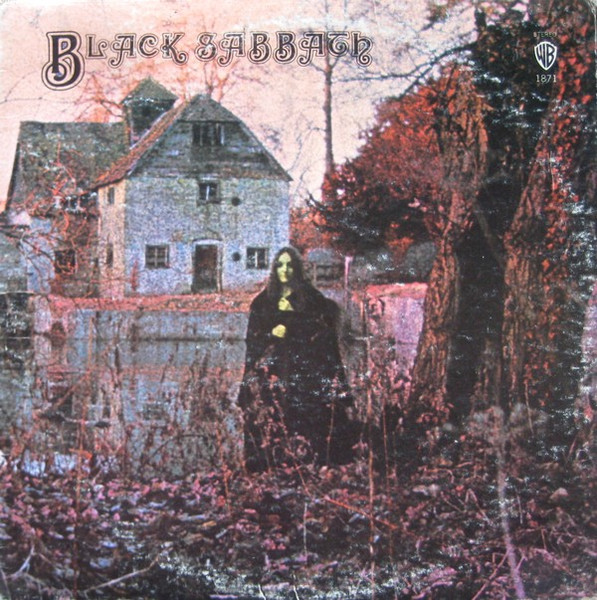
Black Sabbath
 View on Discogs
 View on Wikipedia
Album Summary
Black Sabbath's self-titled debut is the real deal, baby — born in the smoke and steel of Birmingham, England, cut at Arrow Studios in just three days on a budget that wouldn't cover a week's worth of groceries. Released on February 13, 1970, through Vertigo Records and produced by Rodger Bain alongside the band themselves, this record captured something raw and undeniable that no amount of studio polish could have manufactured. The band walked in off the streets of working-class Birmingham and walked out having laid down a sonic blueprint that would echo through the decades — thick, heavy, and darkly alive in a way that nobody had quite heard before.
Reception
- The album climbed to number 8 on the UK Albums Chart, earning gold certification and announcing Black Sabbath as a serious commercial force right out of the gate.
- Critics were sharply divided upon release — some dismissed the music outright as noise and darkness without purpose, while a discerning few recognized they were hearing something genuinely new and unsettling in the best possible way.
- The album's strong performance in both the UK and US markets sent a clear signal to the music industry that a hungry audience existed for heavy, blues-rooted rock music with real weight and shadow to it.
Significance
- This album stood as the foundational document of heavy metal, fusing deep blues structures with down-tuned, distorted guitar riffs, occult-themed lyrics, and a pervasive darkness that had simply never been assembled quite this way in rock music before.
- Black Sabbath crystallized the heavy power band template — thick, crushing guitar work, a bass you could feel in your chest, and drums that hit like a factory press — establishing the sonic vocabulary that generations of metal artists would spend decades building upon.
- By channeling the industrial bleakness and working-class grit of Birmingham rather than the flower-crowned psychedelic escapism that dominated late 1960s rock, the album brought a hard, honest edge to rock music that permanently expanded what the genre could express.
Samples
- "Black Sabbath" — the opening track's haunting tritone riff and ominous atmosphere have made it one of the most referenced and interpolated pieces in hip-hop and electronic music, with its unmistakable figure appearing across decades of production work as a signifier of dread and heaviness.
- "N.I.B." — Ozzy Osbourne's bass-driven showcase has been sampled and interpolated by hip-hop artists drawn to its deep groove and menacing low-end foundation.
Tracklist
-
A1 Black Sabbath —
 6:20
6:20
-
A2 The Wizard —
4:22
-
A3 Wasp / Behind The Wall Of Sleep / Bassically / N.I.B. 101
9:44
-
B1 Wicked World —
4:30
-
B2 A Bit Of Finger / Sleeping Village / Warning 136
14:32

Artist Details
Black Sabbath rose up out of Birmingham, England in 1968 like a storm cloud rolling in over the industrial Midlands, four working-class cats — Ozzy Osbourne, Tony Iommi, Geezer Butler, and Bill Ward — who took the blues, slowed it way down, and wrapped it in something heavy and dark that nobody had ever quite heard before, essentially birthing heavy metal right there in the heart of England. Their ominous guitar riffs, thunderous rhythms, and lyrics drenched in occult imagery made the establishment nervous and the kids absolutely wild, and albums like *Paranoid* and *Master of Reality* became the sacred texts of a whole new generation of musicians who would carry that heavy torch forward for decades. Black Sabbath's influence stretches so deep and so wide that it's nearly impossible to overstate — virtually every hard rock and metal band that came after them owes something to those four brothers from Birmingham who dared to make music that sounded like the world was ending.