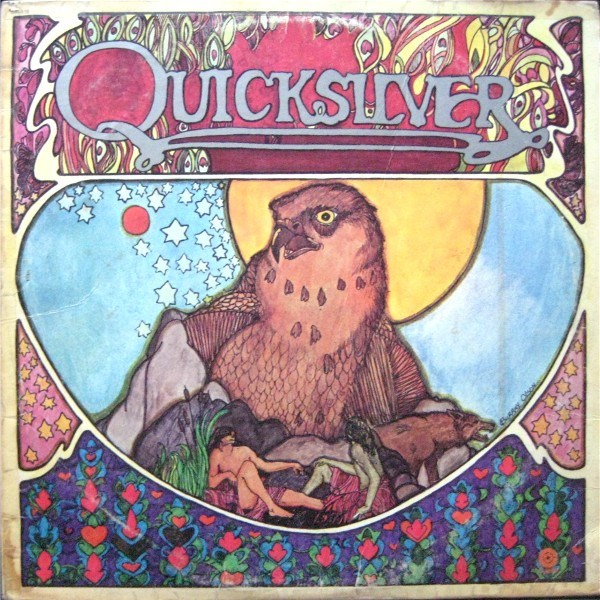
Quicksilver
 View on Discogs
 View on Wikipedia
Album Summary
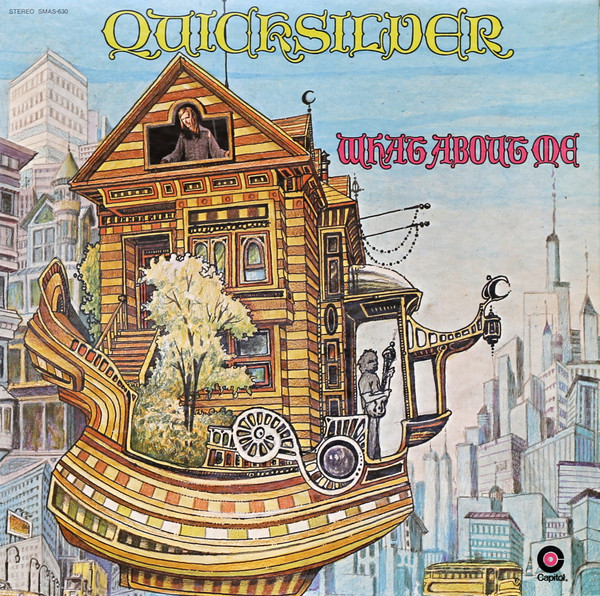
Quicksilver Messenger Service dropped 'Quicksilver' in 1971 on Capitol Records, and baby, this was a band fighting for its soul in a changing musical landscape. Recorded during a period of serious lineup turbulence for these San Francisco legends, the album leaned heavily on the mercurial guitar genius of John Cipollina, whose tone and touch were unlike anything else walking the earth at that moment. Produced amid the band's determined push to reclaim both creative footing and commercial relevance, 'Quicksilver' found the group reaching for a harder, more streamlined rock sound — a conscious step away from the sprawling psychedelic explorations that had made their name in the late 1960s. It was a band in transition, pressing forward under a self-titled banner as if planting a flag and saying, this is who we are now.
Reception
- The album moved through the marketplace quietly, failing to make a significant dent on the charts — a reflection of how thoroughly the first wave of San Francisco psychedelia had receded from mainstream consciousness by the early 1970s.
- Critical response was divided, with some reviewers acknowledging the competence of the harder rock direction while others felt the album lacked the fire and originality that had made earlier Quicksilver Messenger Service records essential listening.
- Without a breakout single to anchor radio play or drive broader recognition, 'Quicksilver' struggled to cut through a rock landscape that had moved on to new sounds and new heroes.
Significance
- 'Quicksilver' stands as a vivid time capsule of the San Francisco psychedelic rock movement in its transitional years, capturing a pioneering band wrestling honestly with the question of what it meant to survive and evolve into a new decade.
- John Cipollina's guitar work throughout tracks like 'Hope,' 'Rebel,' and 'Fire Brothers' kept the band's psychedelic DNA alive even as the surrounding arrangements leaned into the blues-drenched hard rock that was defining the early 1970s sound.
- As part of Quicksilver Messenger Service's later Capitol Records catalog, the album holds genuine historical value for anyone tracing how the first generation of psychedelic rock bands navigated the commercial and artistic pressures that followed the Summer of Love's long fade.
Tracklist
-
A1 Hope 127
 3:00
3:00
-
A2 I Found Love 128
3:53
-
A3 Song For Frisco 80
4:56
-
A4 Play My Guitar 117
4:41
-
A5 Rebel 104
2:59
-
B1 Fire Brothers 87
3:07
-
B2 Out Of My Mind 120
4:32
-
B3 Don't Cry My Lady Love 113
5:10
-
B4 The Truth 111
6:56

Artist Details
Quicksilver Messenger Service was one of the crown jewels of the San Francisco psychedelic rock scene, forming in 1965 right there in the Bay Area alongside fellow travelers like Jefferson Airplane and the Grateful Dead, weaving together blues, folk, and long, exploratory guitar jams that could take a listener on a journey halfway to the cosmos and back. Built around the searing, fluid guitar work of John Cipollina and Gary Duncan, they became a cornerstone of the Haight-Ashbury counterculture movement, with their 1969 album Happy Trails capturing that live, free-flowing spirit better than almost anything else from that era. Though they never quite broke through to the mainstream fame of some of their contemporaries, the true heads always knew that Quicksilver was the real deal — a band that embodied the restless, searching soul of the late sixties like few others could.